Garden Soil in Wisconsin: Garden Mix for Beds, Not for Grade Work
Wisconsin's freeze-thaw seasons can leave planting areas tired and uneven. Garden Soil adds compost-supported growing material for garden plots and planters.
- Size: Nutrient-enriched soil blend
- Grading: Enhanced with organic compost
From $471 for 1 ton, delivery included (larger loads cost significantly less per ton)
Free delivery included
Free delivery anywhere in Wisconsin
Pick a delivery date
Weekday delivery, earliest Oct 29
“Needed garden soil for a new bed and Wisconsin Rock Supply made it easy, fair price, free delivery, and I'm really happy with how it turned out.”
Frank W. · Verified Buyer
Get a Free Quote
Fill out the form and our sales team will get back to you within the hour.
Size and Grading
- Size
- Nutrient-enriched soil blend
- Grading
- Enhanced with organic compost
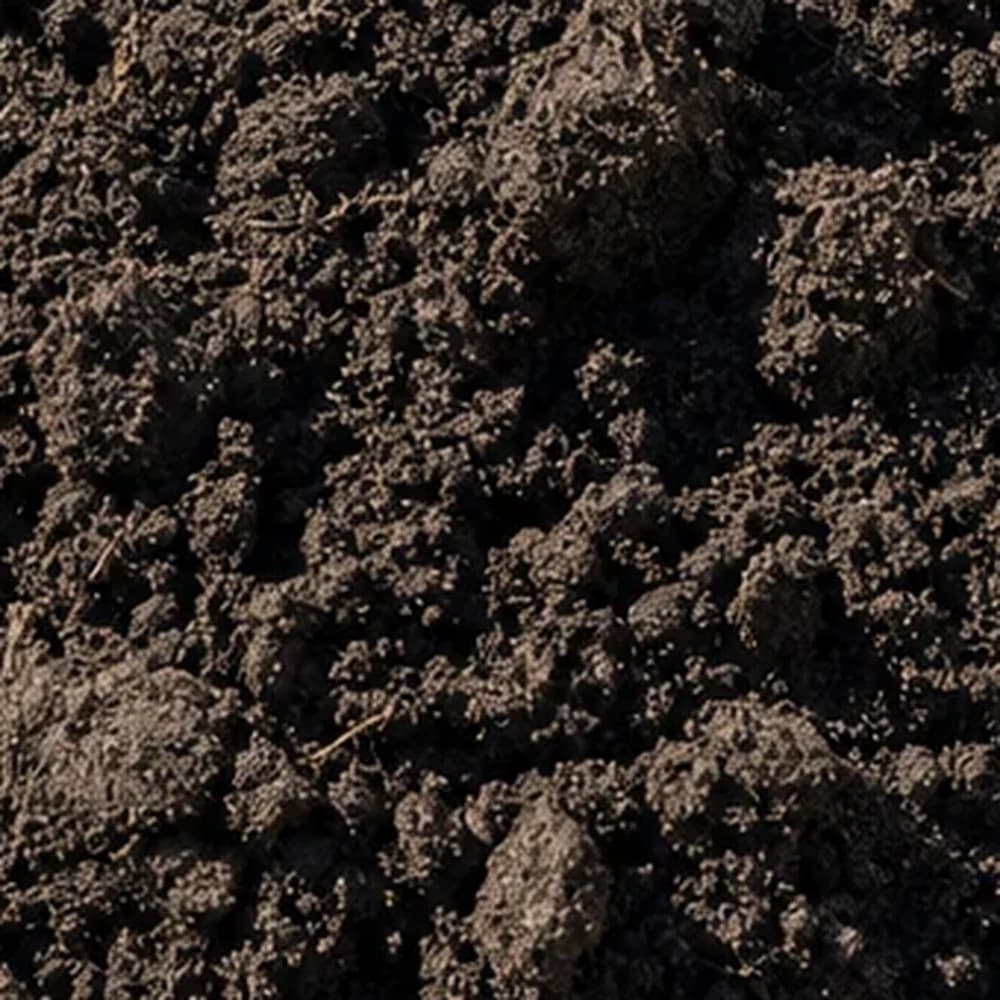
The load most people meant to order was this one, and the load they ordered was topsoil. The two arrive looking similar on a driveway and behave nothing alike in a raised bed. Screened topsoil is mineral soil put through a screen, sold here pulverized so it spreads fine. Garden soil is that soil blended with organic compost, which most suppliers around the state simply call garden mix. It is lighter, it holds water differently, and it is the one to fill a bed with when something is going to root in it.
The difference shows up first in weight. A yard of garden mix runs about 2,000 lb, where screened topsoil is nearer 2,200. That is the compost, and it is what you are buying.
Filling raised beds on ground the builders left compacted
The single job this material gets ordered for here is a bed that has to grow something on ground that will not. That covers more sites than it sounds like.
- New builds, where the track and the entrance the contractors used compacted the top eight inches of the lot into something a root cannot get through.
- Raised beds and planters, where there is no native soil involved at all and the whole growing depth is imported.
- Tired vegetable plots that have been worked for years and gone tight and gray.
- Flower beds being cut into lawn, where the existing soil is fine mineral ground but short on organic matter.
- Planting pockets in otherwise unpromising ground, at the edge of a hardscape or along a stone channel.
How garden mix behaves over lake clay, outwash sand and Driftless silt
- On the lake-plain and Fox Valley clays, water does not move down. A bed of garden mix sitting in a bowl of clay becomes a bathtub, so raise it, edge it, and give the water somewhere to go at the low corner.
- On Central Sands outwash, the native ground drains faster than anything wants. Here the compost fraction is doing the real work, holding moisture in the root zone through a dry July.
- On northern till and stony sandy loam, the mix goes in over whatever is there, and the depth you import is the depth you actually get.
- On Driftless silt loam the native soil is often good, so the mix is a top-up rather than a replacement, and on a slope it wants holding in place.
- Everywhere: keep it out of the base of a drive or a lane. Organic material in a base course decomposes, and decomposing material under gravel means a settled lane by the third spring.
Spreading it after the thaw and before the ground closes
- Wait for the ground to drain. Working a wet bed on clay ruins its structure for the season, and the thaw leaves clay wet long after the surface looks dry.
- Late spring through early autumn is the working window. Autumn filling is underrated, because the bed settles over winter and is ready the moment the frost is out.
- Fill beds proud of the rail. The mix drops noticeably after the first few good waterings as the compost takes up water and the air pockets close.
- Water it in as you fill rather than filling to the top and soaking it afterwards, which gives you the settled level sooner.
- Rake it level, do not compact it. Anything you press down here you will be forking back open in April.
- Keep it off the lawn edge. Compost-rich soil grows grass enthusiastically in places you did not intend.
Why a load of Top Soil will not fill a raised bed
| Garden Soil | Top Soil | Fill Dirt | |
|---|---|---|---|
| What it is | Soil blended with organic compost | Screened mineral soil, sold pulverized | Screened earth with minimal organic matter |
| Approximate weight per yard | 2,000 lb | 2,200 lb | 2,400 lb |
| Use it for | Raised beds, planting areas, refreshing tired plots | Lawns, grading, bed prep, repairs | Raising grade, filling low areas, backfill |
| Do not use it for | Grade work or anything buried under gravel | Filling a bed on its own and expecting a crop | Anything that has to grow |
Buyers filling a deep bed often order a mix of the two soils, with the screened black dirt at the bottom and the garden mix in the top growing depth. That is a sensible way to do it, and it wants two separate calculations.
Yards of Garden Soil for four raised beds, a patio strip and a creek margin
Length times width times depth in inches divided by 12, then divided by 27, gives cubic yards. This site's calculators put a blended garden soil at about 2,000 lb per cubic yard, which is 1.00 ton per yard, so for this product the yards and the tons are the same number.
- Example, four raised beds each 4 ft by 8 ft, filled 12 inches deep: 128 square feet x 1 = 128 cubic feet, divided by 27 = 4.7 cubic yards, or about 4.7 tons.
- Example, a planting strip along a paver patio, 18 ft by 3 ft at 8 inches: 54 square feet x 0.67 = 36 cubic feet, divided by 27 = 1.3 cubic yards, about 1.3 tons.
- Example, two planted margins beside a dry creek bed, each 30 ft by 2 ft at 6 inches: 120 square feet x 0.5 = 60 cubic feet, divided by 27 = 2.2 cubic yards, about 2.2 tons.
One cubic yard covers about 27 square feet at 12 inches, 41 at 8 inches and 54 at 6 inches. Keep the small extra allowance the soil calculator adds by default, because a bed you fill twice costs more in effort than the extra quarter yard does. The soil calculator handles the arithmetic if you would rather enter the measurements.
Work out the yardage, then set a quantity and a delivery date on this page, or send the bed dimensions through the contact form if you are splitting an order between two soils and want the totals checked.
Quickly Calculate How Much You Need
Material: Garden Soil
How to Measure
Measure the length and width of your project area in feet
Decide on depth in inches (2" for landscaping, 4" for driveways)
Enter the values above and we'll calculate the tonnage you need
Need help figuring out the right amount? We can help!
Call or text us at (414) 485-9466 and we'll help you calculate the right quantity for your project.
Not sure how much you need? The Soil Calculator has depth guides, coverage charts and worked examples for this material.
Frequently Asked Questions About Garden Soil
Customer Reviews
Great Experience
Wisconsin Rock Supply made the whole ordering process easy. The garden soil made a noticeable improvement to the finished project. I would feel confident ordering from them again.
Ashley N. · Madison, WI · Verified Buyer
Grabbed garden soil from the team and I'm really happy with how it turned out. The driver was friendly and careful about placement, I'd definitely order again and recommend them.
Mark C. · Madison, WI · Verified Buyer
Needed garden soil for a new bed and Wisconsin Rock Supply made it easy, fair price, free delivery, and I'm really happy with how it turned out.
Frank W. · Green Bay, WI · Verified Buyer
Grabbed garden soil from them and was really happy, they kept me updated the whole time and the price felt fair.
Wendy B. · Racine, WI · Verified Buyer
Garden Soil has 4 verified customer reviews with an average rating of 4.8 out of 5.