Fill Dirt in Wisconsin: Raising Low Ground in the Months It Will Hold
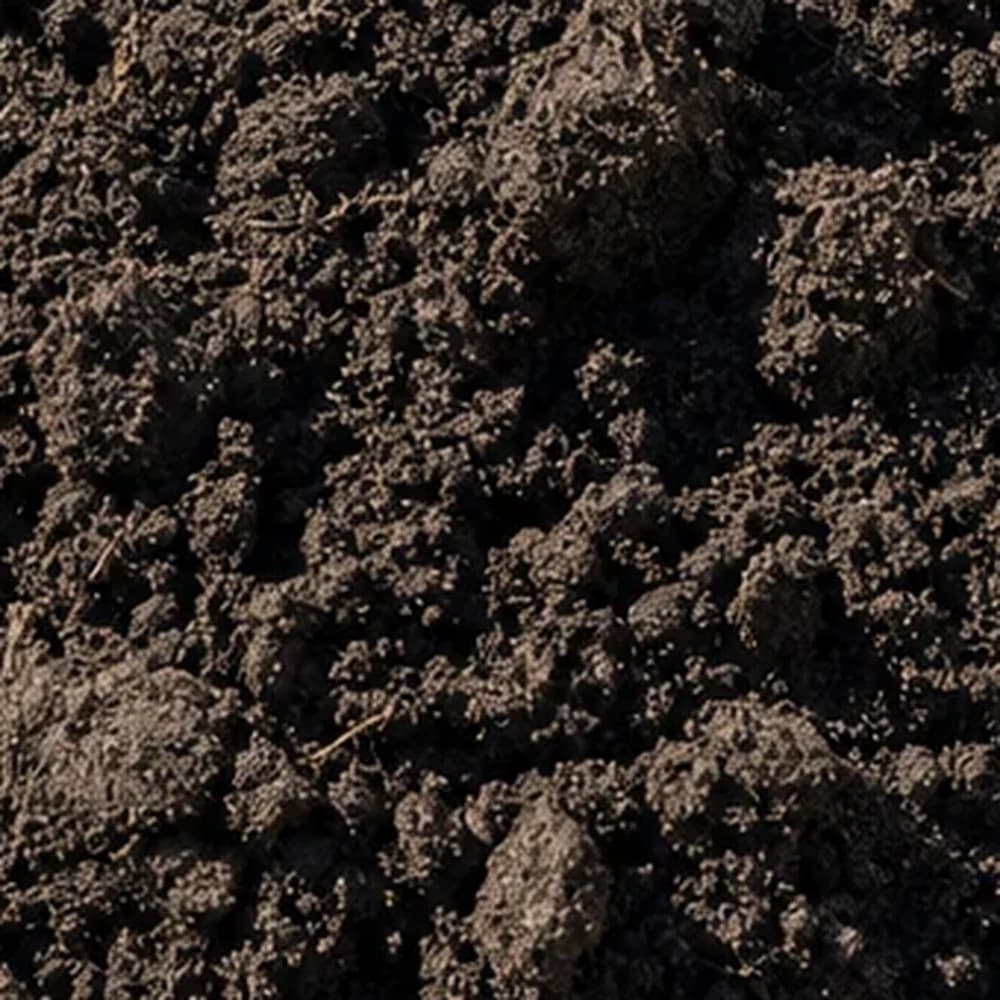
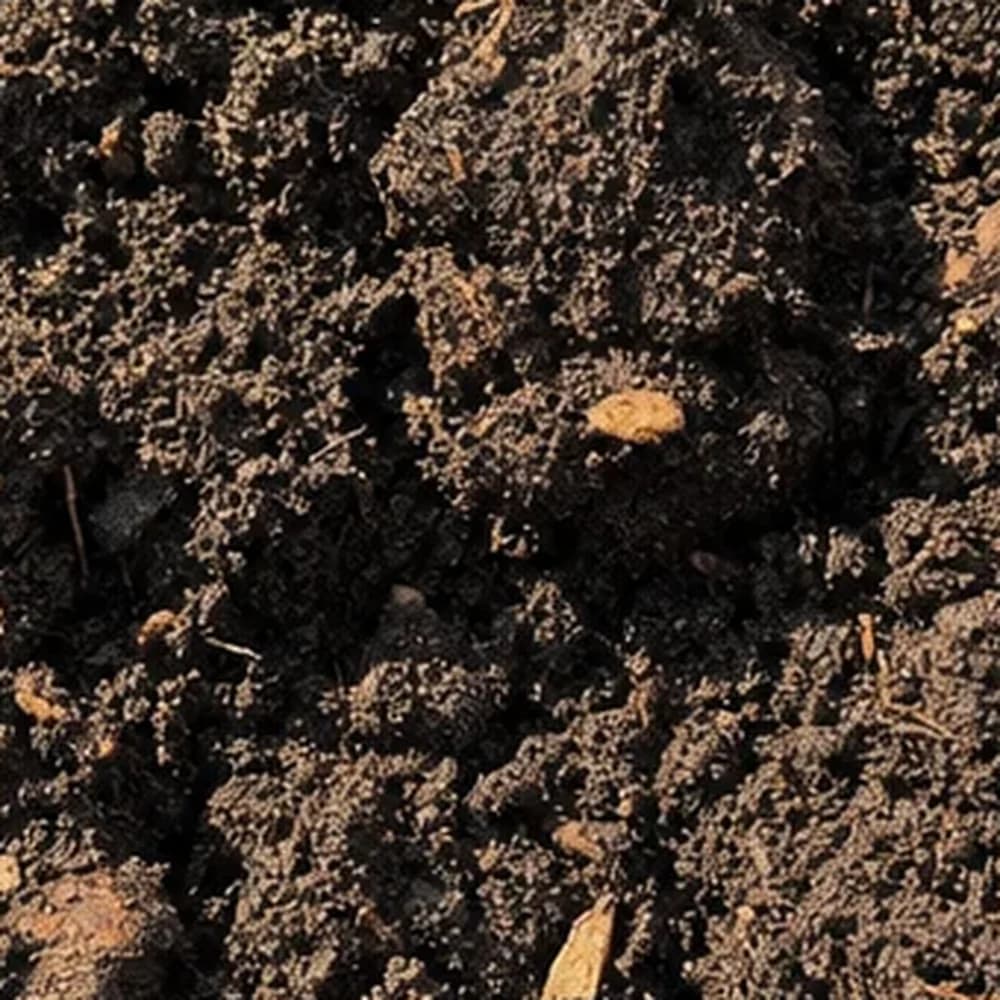
Wisconsin sites can use Fill Dirt to raise low areas, restore excavations, and establish a compactable rough grade before later work.
- Size: Screened to remove large rocks, roots and debris
- Grading: Minimal organic matter
From $243 for 1 ton, delivery included (larger loads cost significantly less per ton)
Free delivery included
Free delivery anywhere in Wisconsin
Pick a delivery date
Weekday delivery, earliest Oct 29
“Had fill dirt delivered by this company, and it was just what I ordered. Really happy with how easy it was and I'd order again.”
Karen G. · Verified Buyer
Get a Free Quote
Fill out the form and our sales team will get back to you within the hour.
Size and Grading
- Size
- Screened to remove large rocks, roots and debris
- Grading
- Minimal organic matter
There are roughly seven months a year when earth can be placed in this state and be expected to stay where it was put. Frozen ground will not compact, and fill placed over it drops as soon as the frost comes out. Saturated ground will not compact either, which rules out the weeks after the thaw on clay and the days after any heavy summer storm. What is left runs from late spring, once the ground has drained, through to freeze-up. Get fill dirt in during that window and the grade you shape is the grade you keep.
The material is screened to take out large rocks, roots and debris, with minimal organic matter. That last part is the reason it is a different product from soil: there is nothing in it to rot away and leave a hollow underneath the work.
The low corner that holds meltwater every April
The problem fill dirt is bought to fix is almost always a shape problem rather than a drainage problem. Water is arriving where it always arrived; the ground simply gives it somewhere to sit.
- A back corner or a yard dip that ponds through the thaw and stays soft into June.
- A pad or parking area that sits below the ground around it, so everything drains toward it.
- A lane with sunken stretches where the subgrade has settled and the gravel has disappeared into it.
- An excavation, a removed stump or an old foundation that needs earth back in it.
- A building or shed site that has to be brought up before base and surface go on.
Fixing the contour comes first. Raising a low spot without giving the water a route out just moves the pond a few feet.
Fill dirt on red clay, outwash sand and Driftless silt behaves three ways
- On the red clay plain near Lake Superior and the clays around Green Bay and the Fox Valley, the native ground is tight and stays wet. Fill placed on saturated clay will not knit to it, so wait for the drainage before the trucks come.
- On Central Sands outwash the ground drains fast and can usually be worked soon after the frost leaves, although the low, peaty parts of the old lake bed stay soft far longer than the sandy uplands beside them.
- On Driftless silt loam, fill on a grade wants a keyed step cut into the slope rather than a layer laid on the face, or the whole lot creeps downhill in the first wet spring.
- In northern till country, peat and muck hollows are where fill disappears. Those want a separation fabric and often a coarse stone layer below the earth.
- Frost reaches at least 48 inches under footings here and 48 to 72 inches under pavement by late winter, so any fill under a structure is being asked to behave through a deep freeze. Compaction is what buys that.
Lifts, compaction and the cap that goes over the top
- Place it in lifts of six to eight inches and compact each one before the next goes on. One deep dump rolled over the top is the standard way to end up with a settled grade next spring.
- Fill compacts best slightly damp. Bone dry will not knit and saturated will pump under the plate.
- A plate compactor suits small areas and a vibratory roller suits anything large. On a pad or a lane subgrade the compaction is the job, not a finishing touch.
- Shape the fall as you build, so the finished surface drains toward where water is allowed to go.
- Cap it with the right material for the use. Lawn and beds get Top Soil over the top. A drive, pad or lane gets compacted 3/4" Traffic Bond. Fill dirt is never the finished surface.
- Where the low area is genuinely wet rather than just low, put a coarse open layer in the bottom before the earth goes in.
What a fresh fill does through its first freeze-thaw
- Expect some settlement over the first winter even on a well-compacted fill, and more wherever a lift was rushed. Leaving a job slightly proud of final grade and dressing it in spring is the usual approach.
- Get something growing on any exposed fill before the snow. Bare graded earth on a slope washes through the thaw and takes the shape with it.
- Check the fall again after the first spring. A settled corner is easy to top up before it is turfed and awkward afterwards.
- Under a gravel lane, watch for soft patches appearing during the thaw. That is settlement in the subgrade showing through, and it is fixed from below rather than by adding more gravel.
- Fill placed late in the season and frozen before it consolidated should be treated as unfinished until you have seen it through a spring.
Working out the load for a boat pad, a sunken lane stretch and a path
Length times width times depth in inches divided by 12, then divided by 27, gives cubic yards. This site's calculators put fill dirt at about 2,400 lb per cubic yard dry, which is 1.20 tons per yard, and note that wet material can run to 3,000 lb, or 1.50 tons per yard. Order on the dry figure and be aware a rained-on load weighs more.
- Example, raising a 14 ft by 36 ft RV or boat pad subgrade by 8 inches: 504 square feet x 0.67 = 336 cubic feet, divided by 27 = 12.4 cubic yards, times 1.20 = about 14.9 tons.
- Example, a 120 ft sunken stretch of a rural lane, 10 ft wide, brought up 7 inches: 1,200 square feet x 0.583 = 700 cubic feet, divided by 27 = 25.9 cubic yards, times 1.20 = about 31.1 tons.
- Example, re-leveling a garden path 36 ft by 3.5 ft by 5 inches before its surface goes back on: 126 square feet x 0.417 = 52.5 cubic feet, divided by 27 = 1.9 cubic yards, times 1.20 = about 2.3 tons.
Those are finished, compacted volumes. Loose fill occupies more space than the same earth compacted, so a load that looks generous on the driveway will not look generous once it is rolled. The dirt calculator converts measurements into tons, and the 10 percent allowance it adds by default is worth keeping on any fill job.
Set a tonnage and a delivery date on this page once you have your figures, or send the measurements through the contact form if the area is irregular and you would like the total checked before you commit.
Quickly Calculate How Much You Need
Material: Fill Dirt
How to Measure
Measure the length and width of your project area in feet
Decide on depth in inches (2" for landscaping, 4" for driveways)
Enter the values above and we'll calculate the tonnage you need
Need help figuring out the right amount? We can help!
Call or text us at (414) 485-9466 and we'll help you calculate the right quantity for your project.
Not sure how much you need? The Dirt Calculator has depth guides, coverage charts and worked examples for this material.
Frequently Asked Questions About Fill Dirt
Customer Reviews
Needed fill dirt for a low spot in my yard and Wisconsin Rock Supply made it easy. The driver was friendly and really careful about where he placed the load. Super happy with the whole thing, 5 out of 5.
Rachel V. · Appleton, WI · Verified Buyer
Needed fill dirt and these guys got it here right on time. Driver was friendly and careful about where he placed it, really happy with the whole thing.
Christine V. · Madison, WI · Verified Buyer
Ordered fill dirt from Wisconsin Rock Supply and it was super easy. Ordering was quick, and the delivery showed up right when I needed it. Really happy with the whole thing and would use them again.
Kevin T. · Milwaukee, WI · Verified Buyer
Had fill dirt delivered by this company, and it was just what I ordered. Really happy with how easy it was and I'd order again.
Karen G. · Waukesha, WI · Verified Buyer
Fill Dirt has 4 verified customer reviews with an average rating of 5 out of 5.