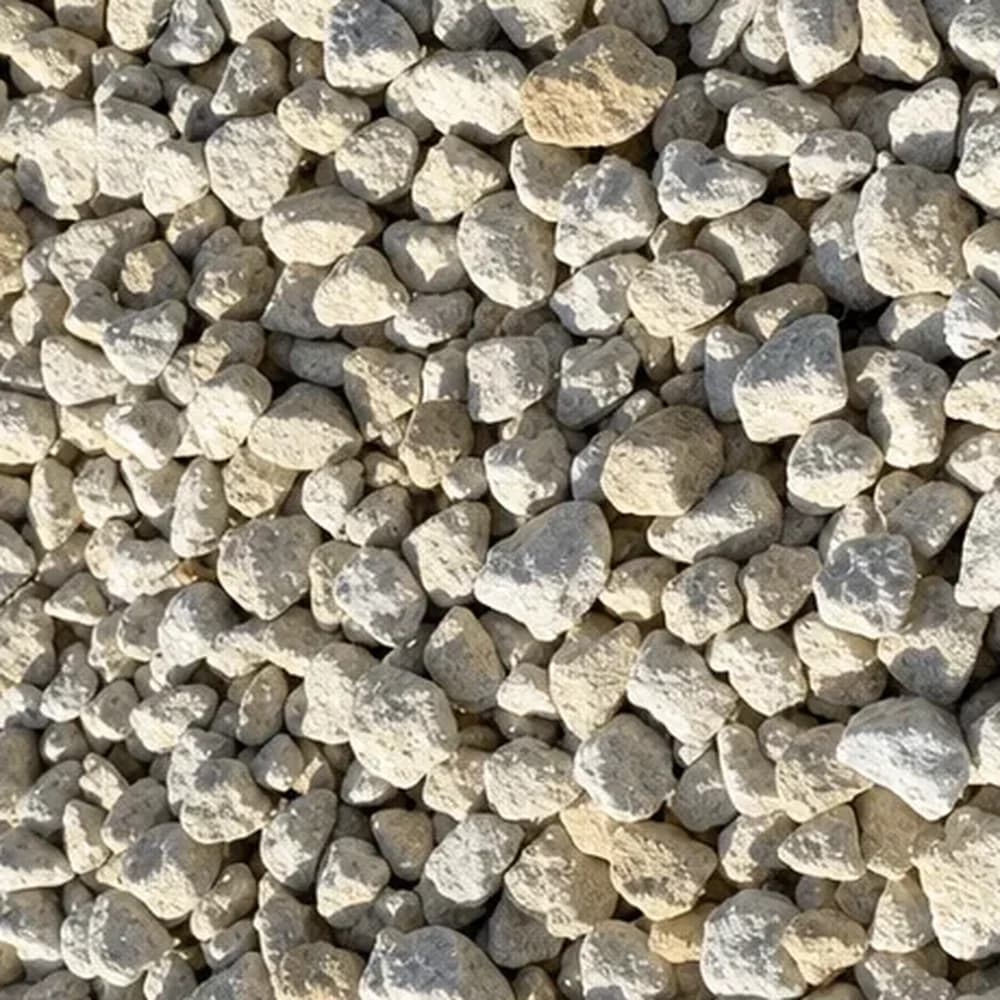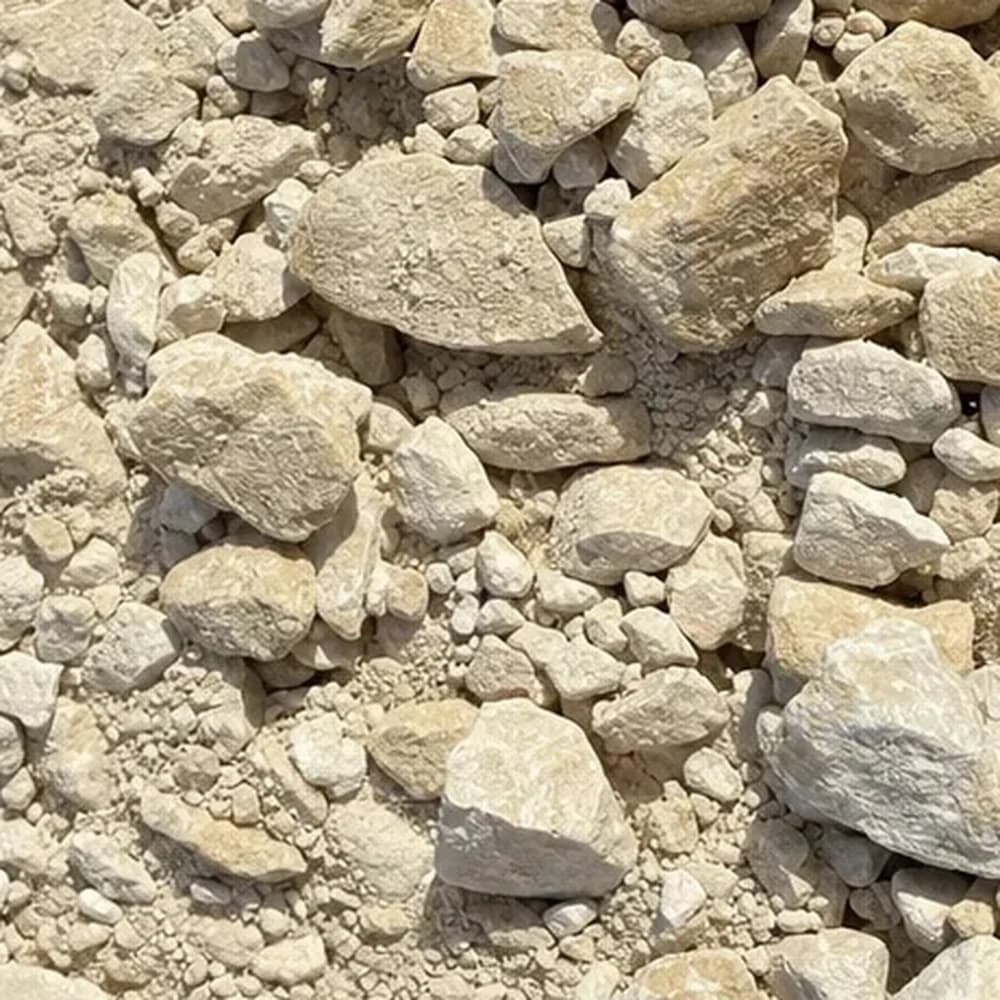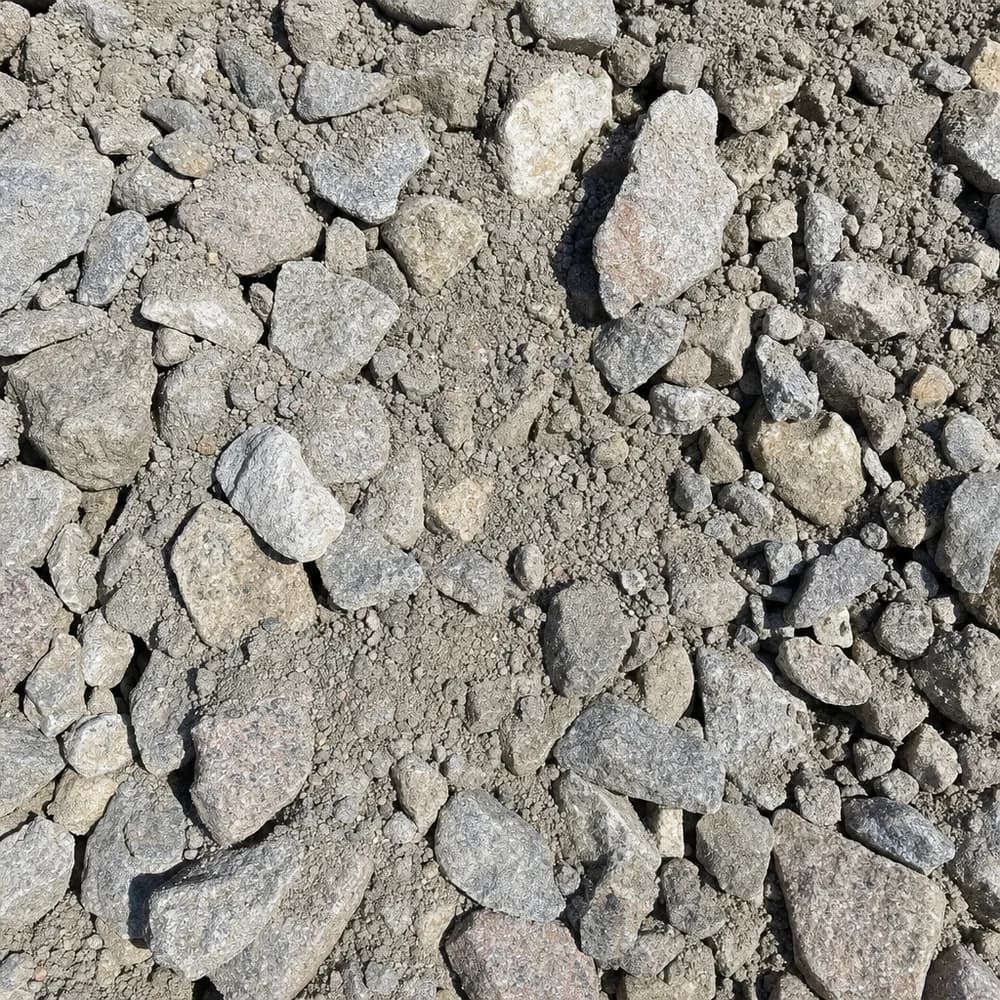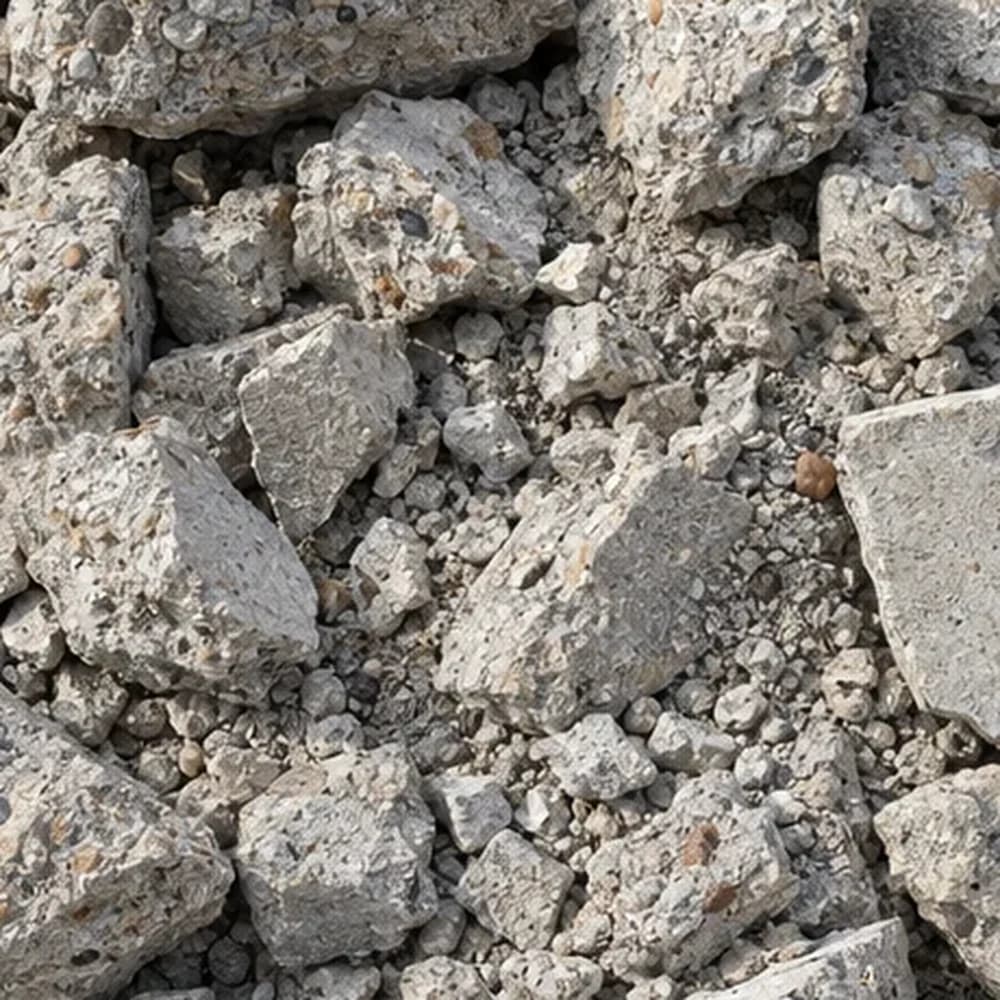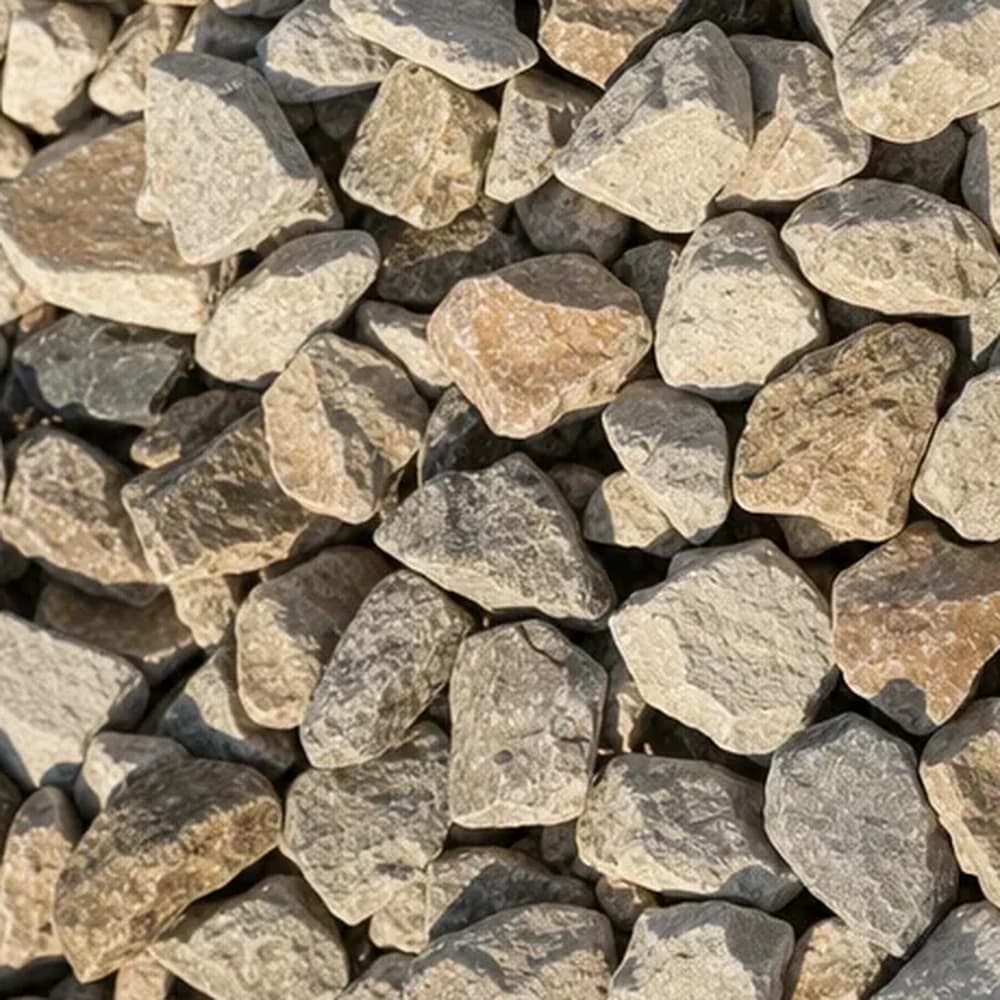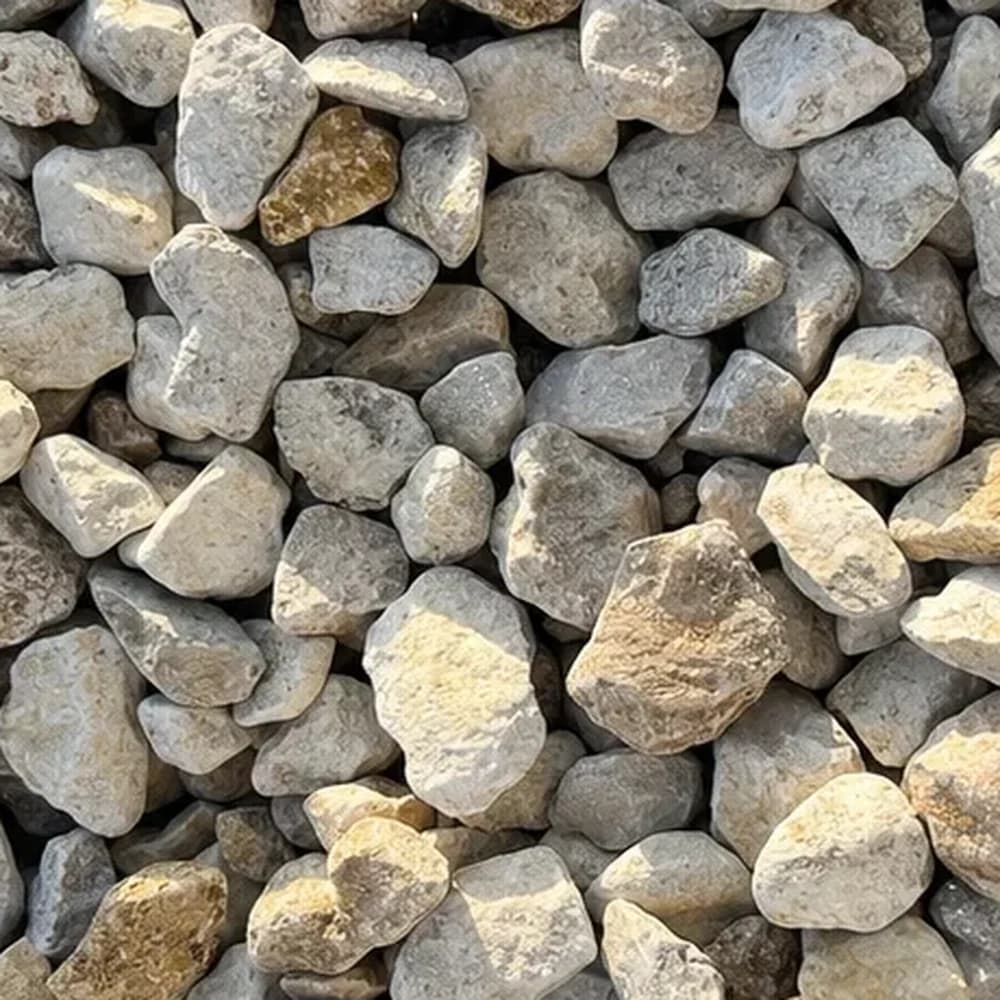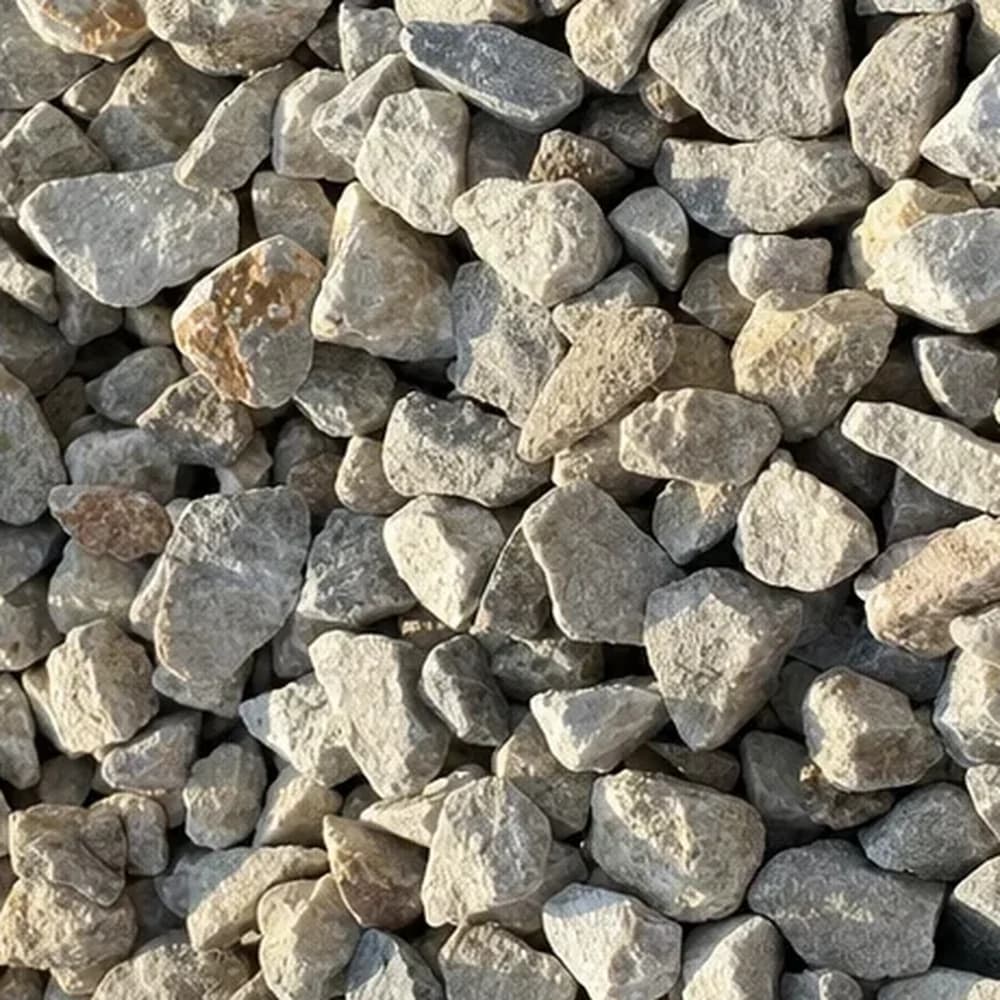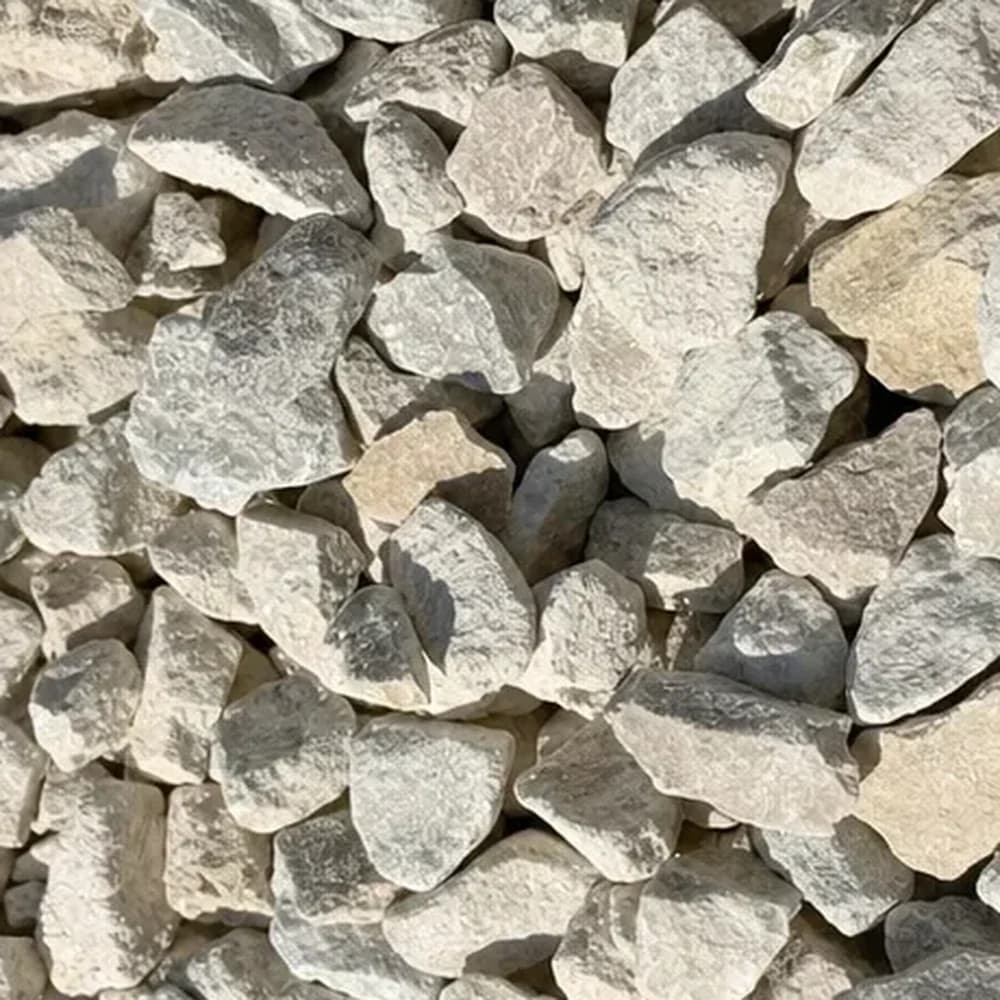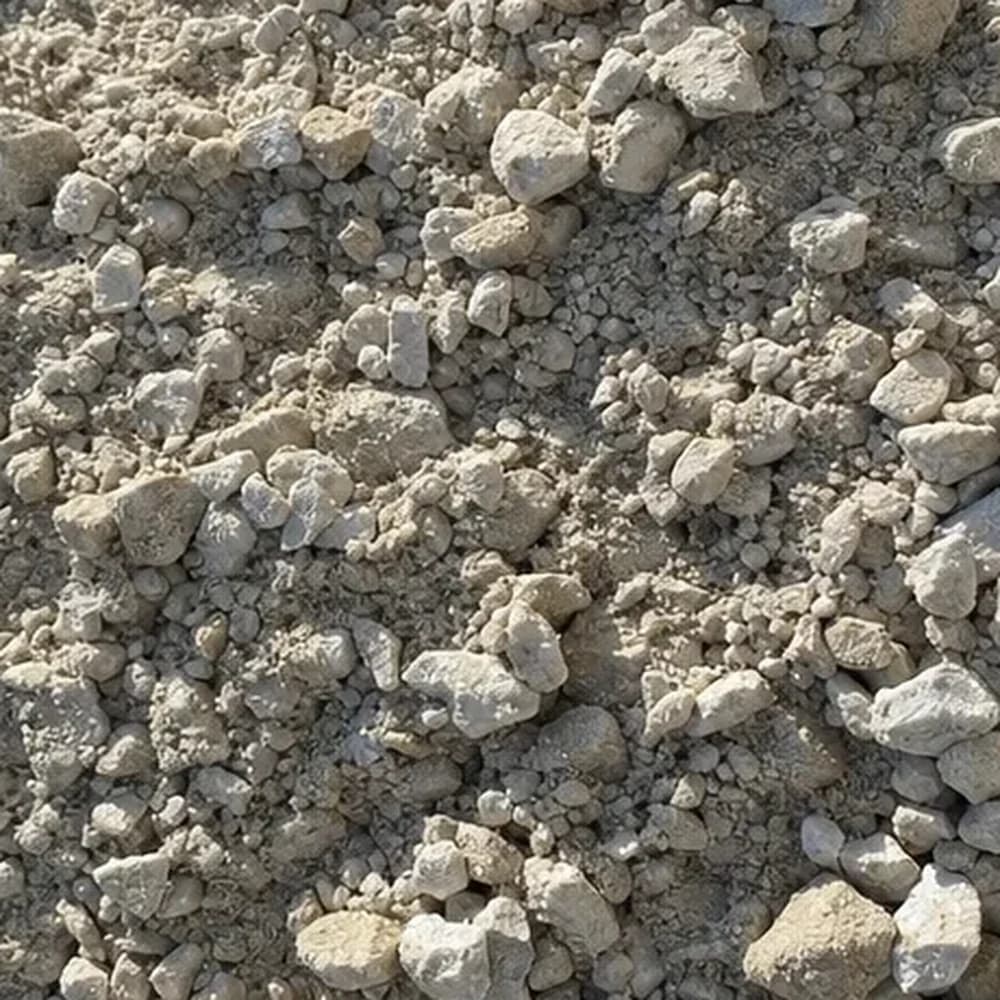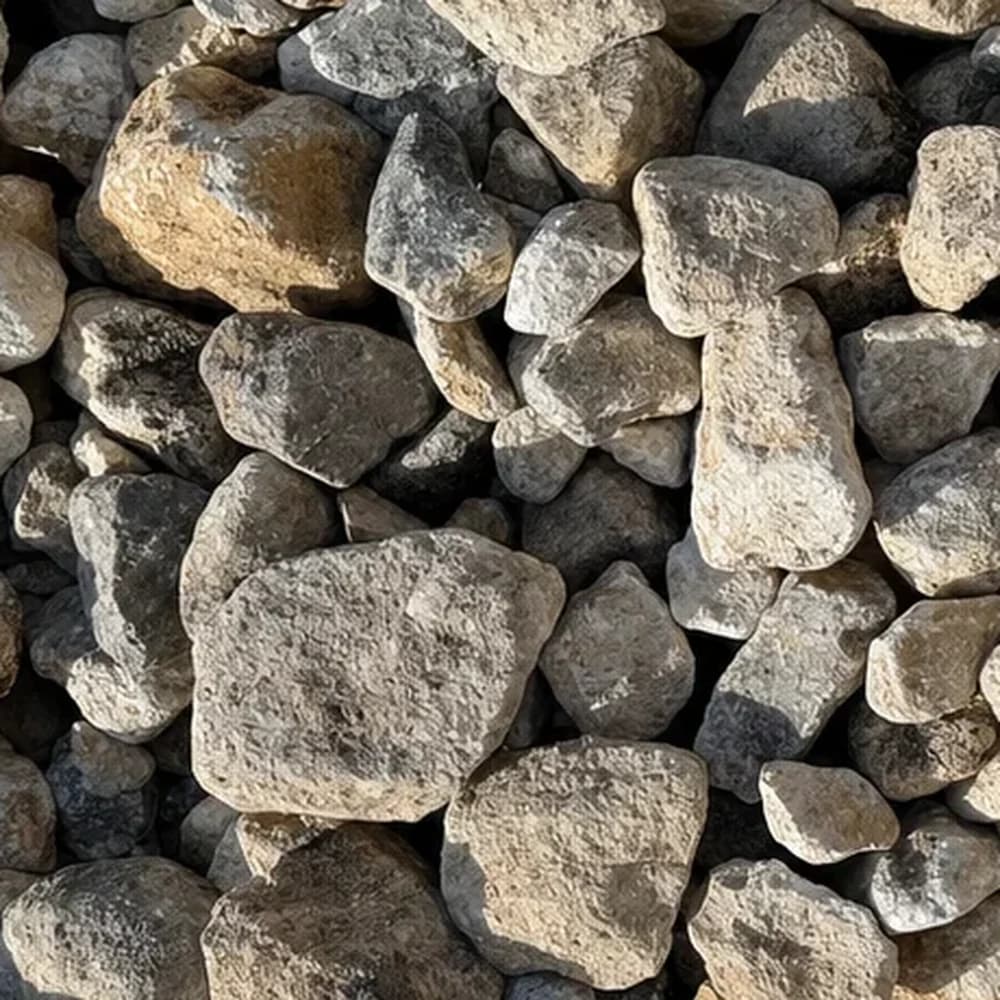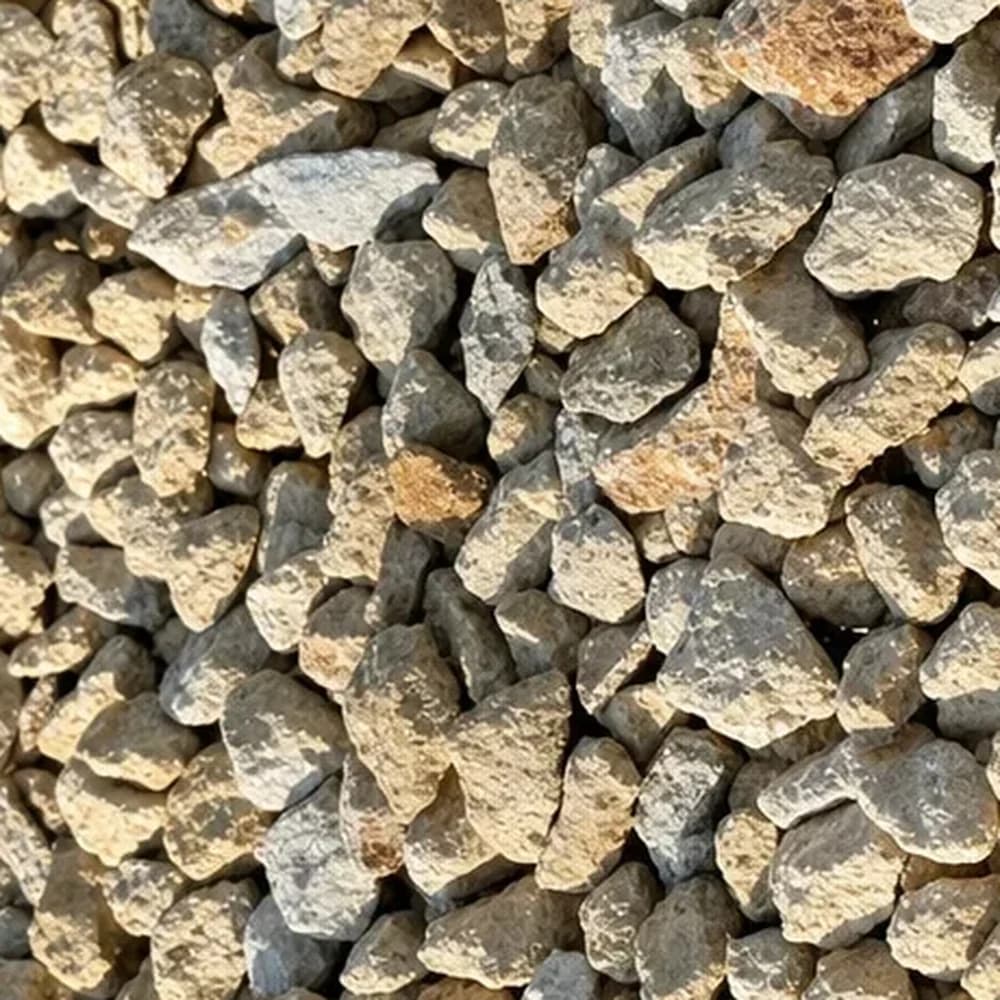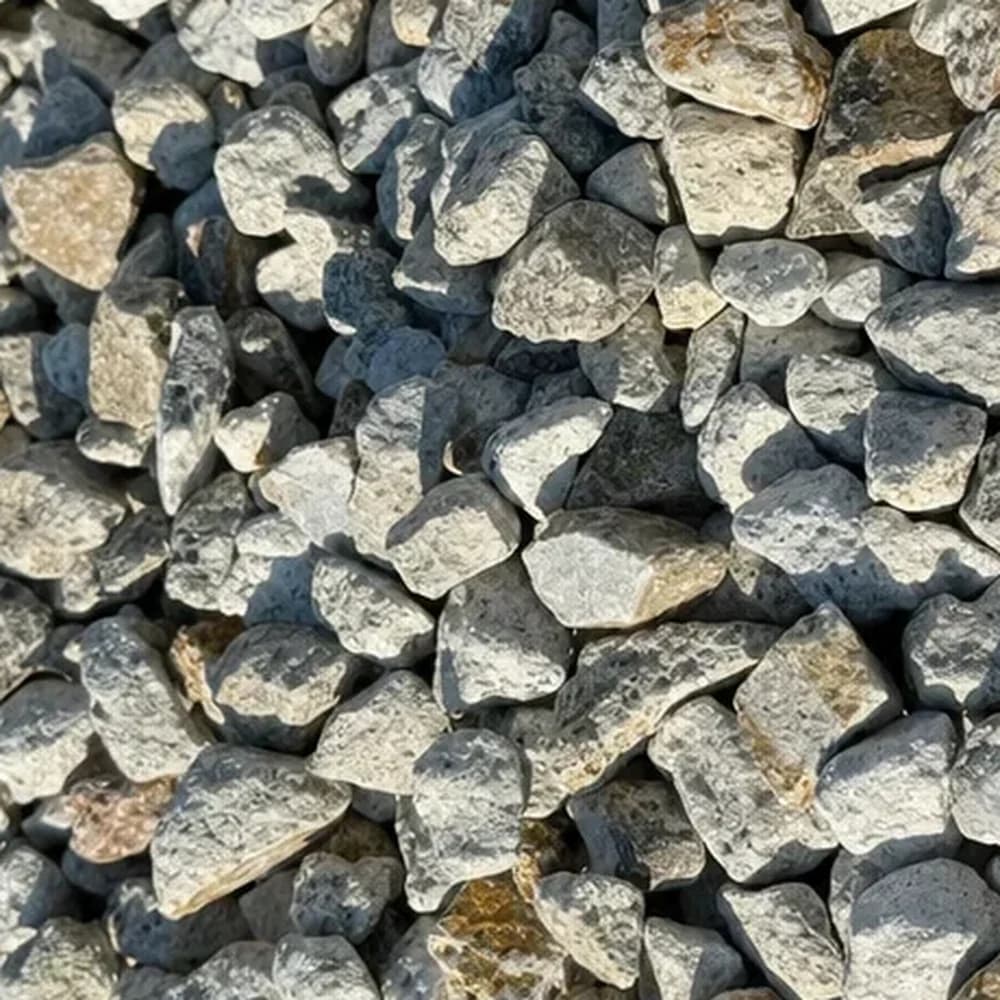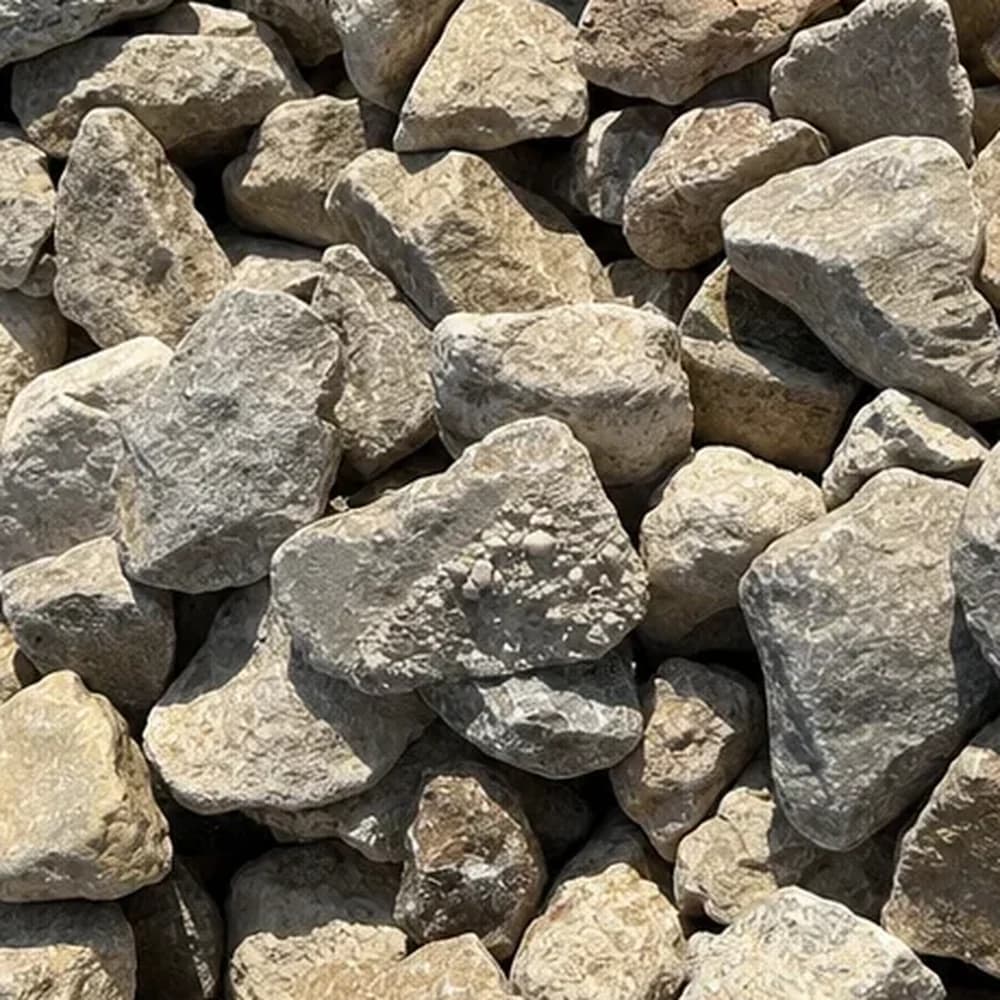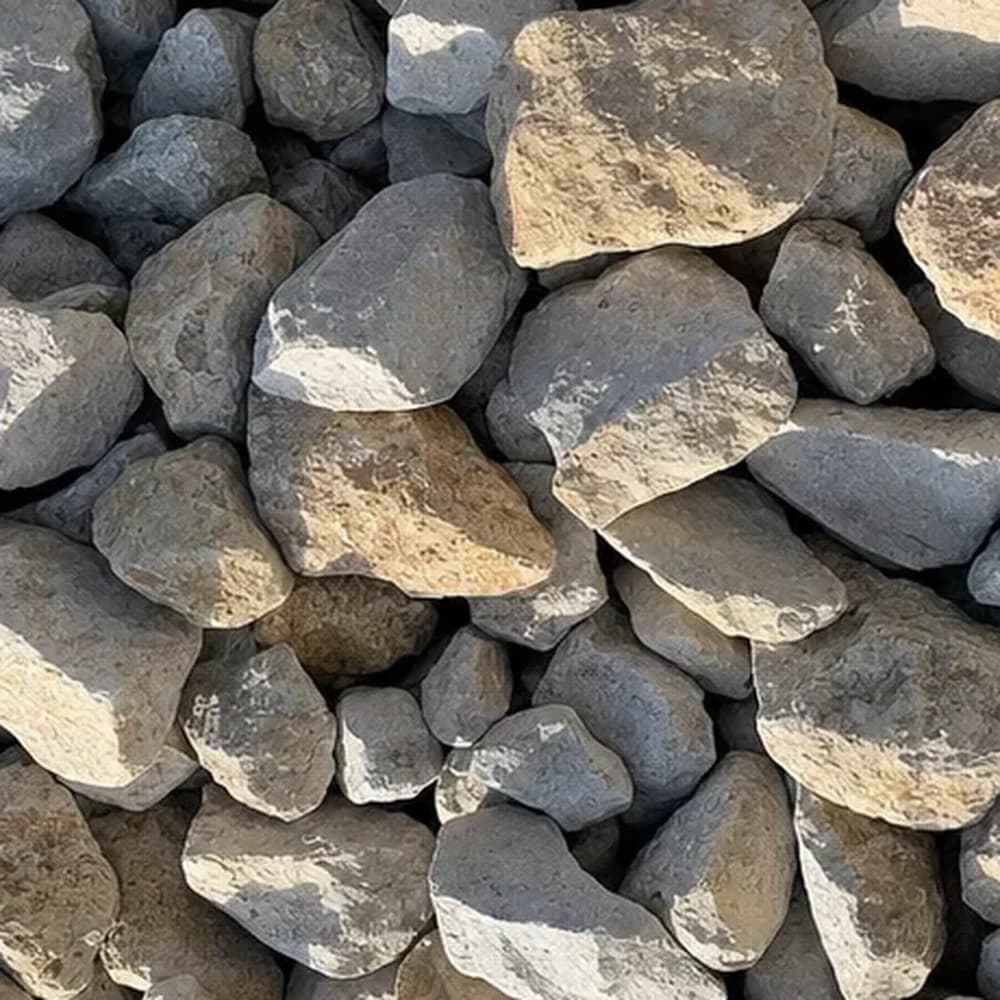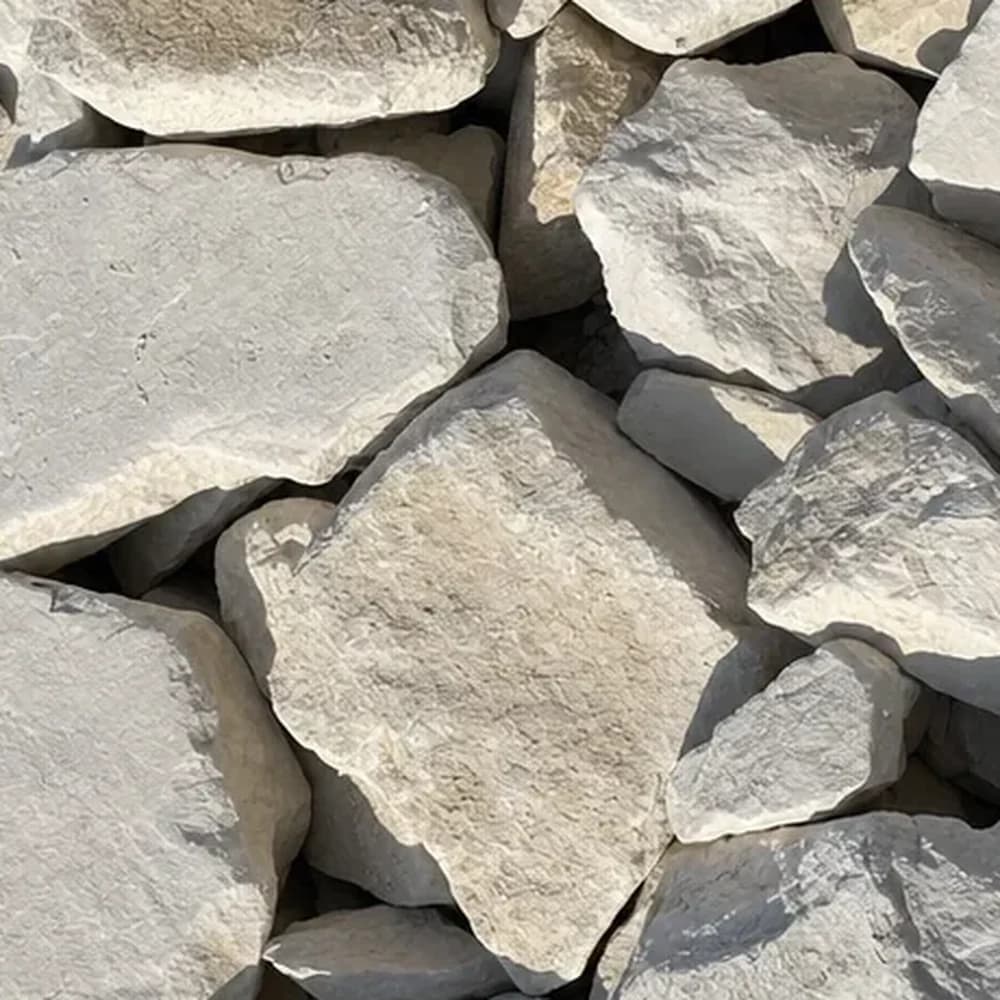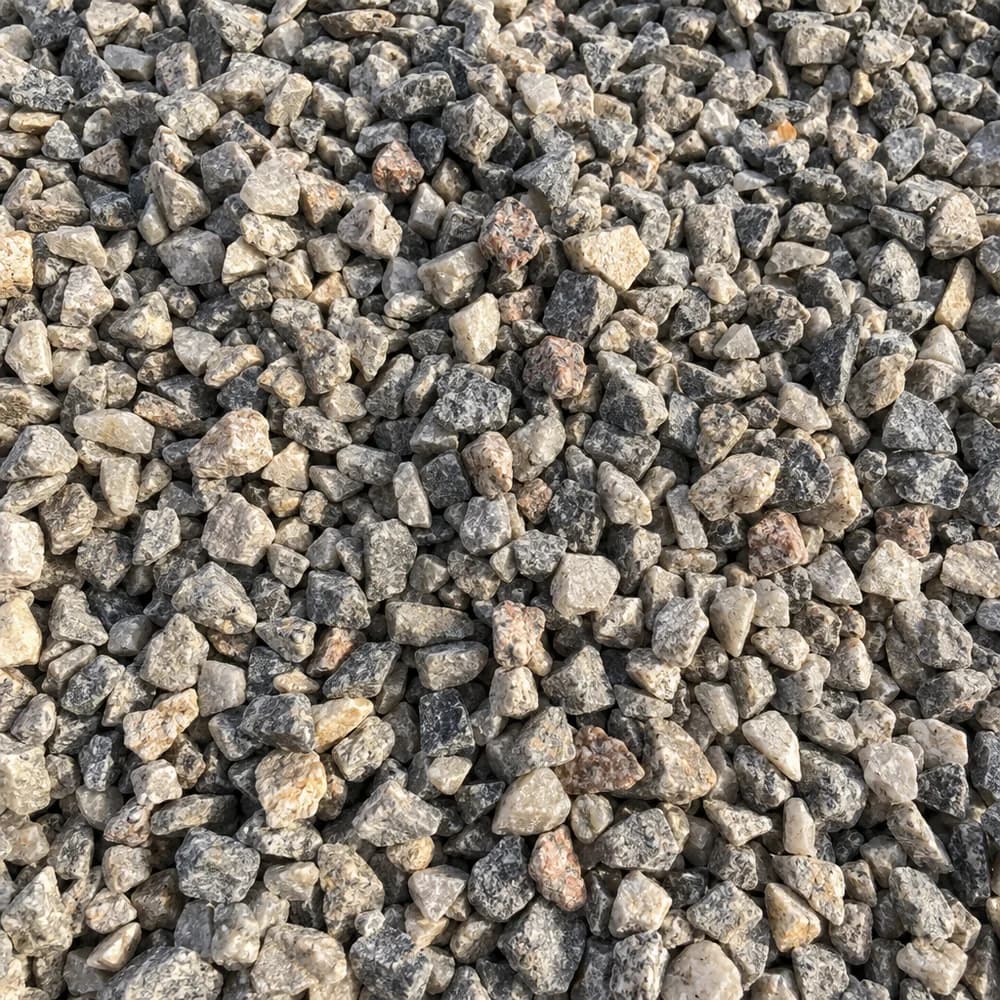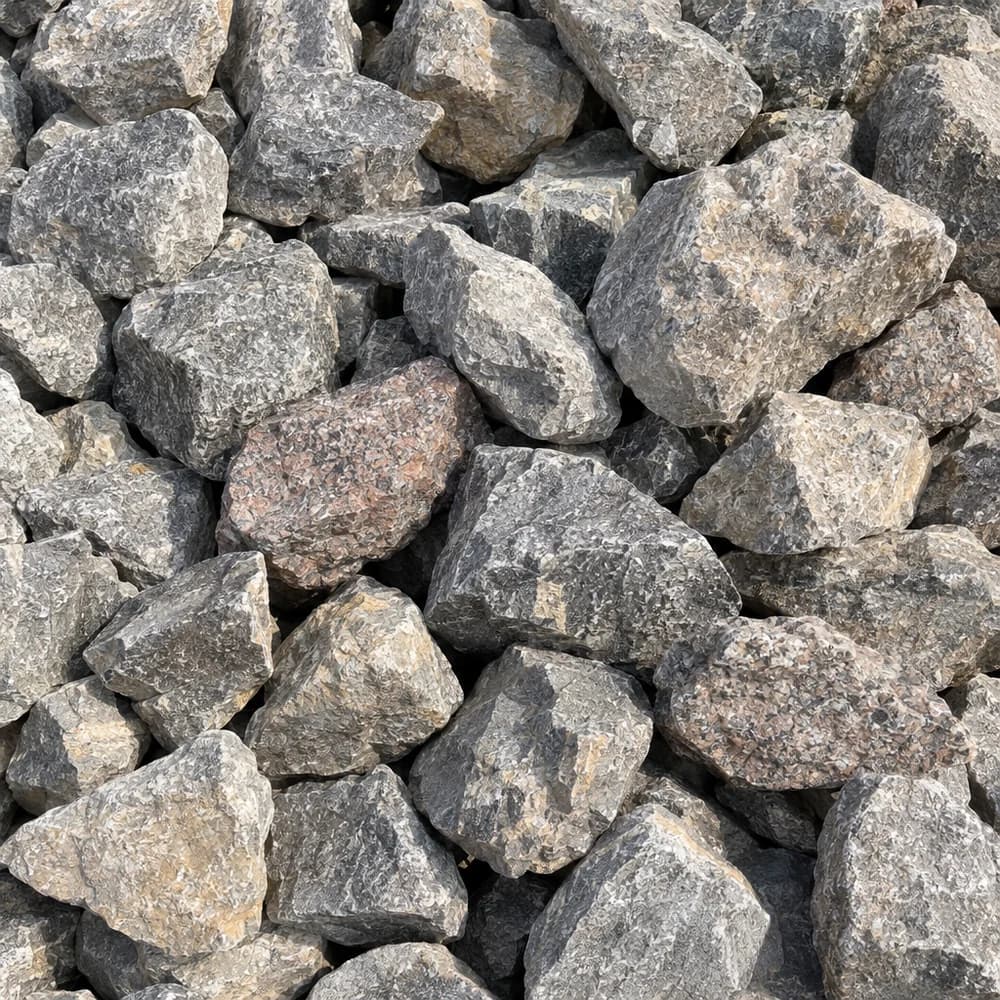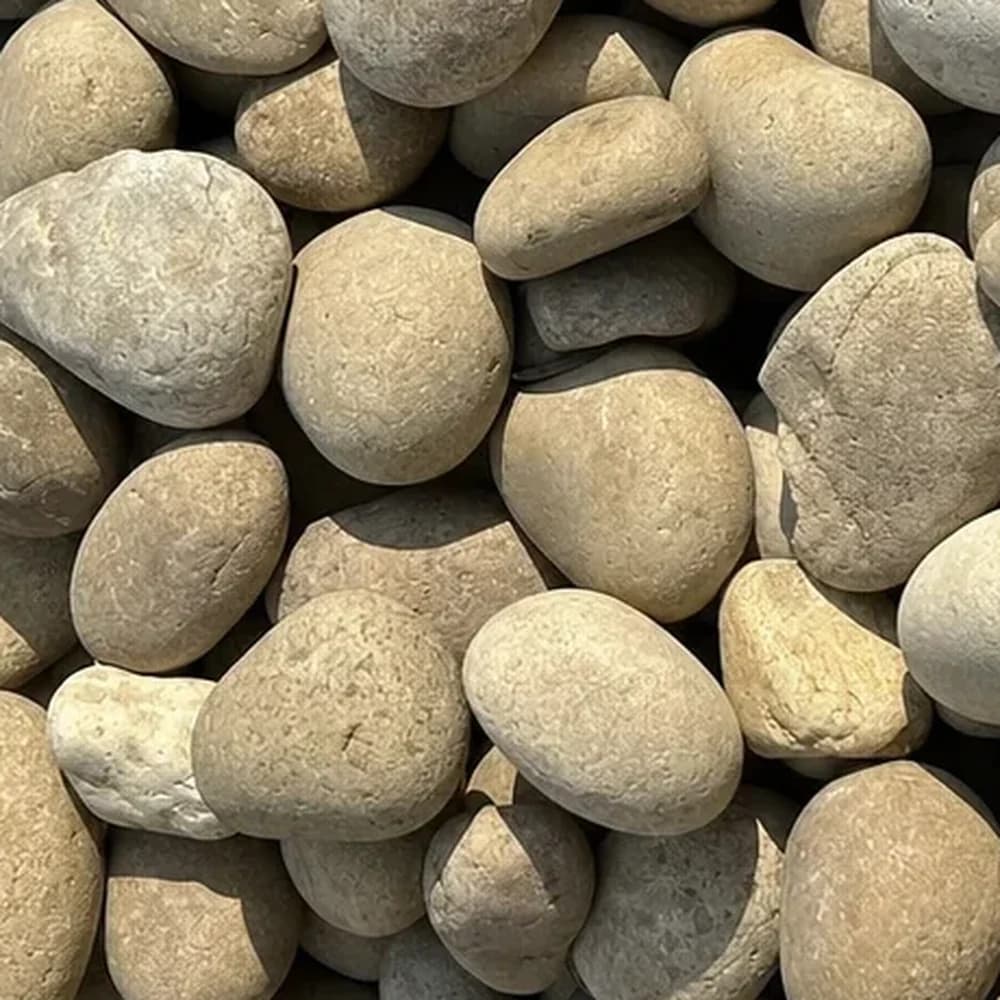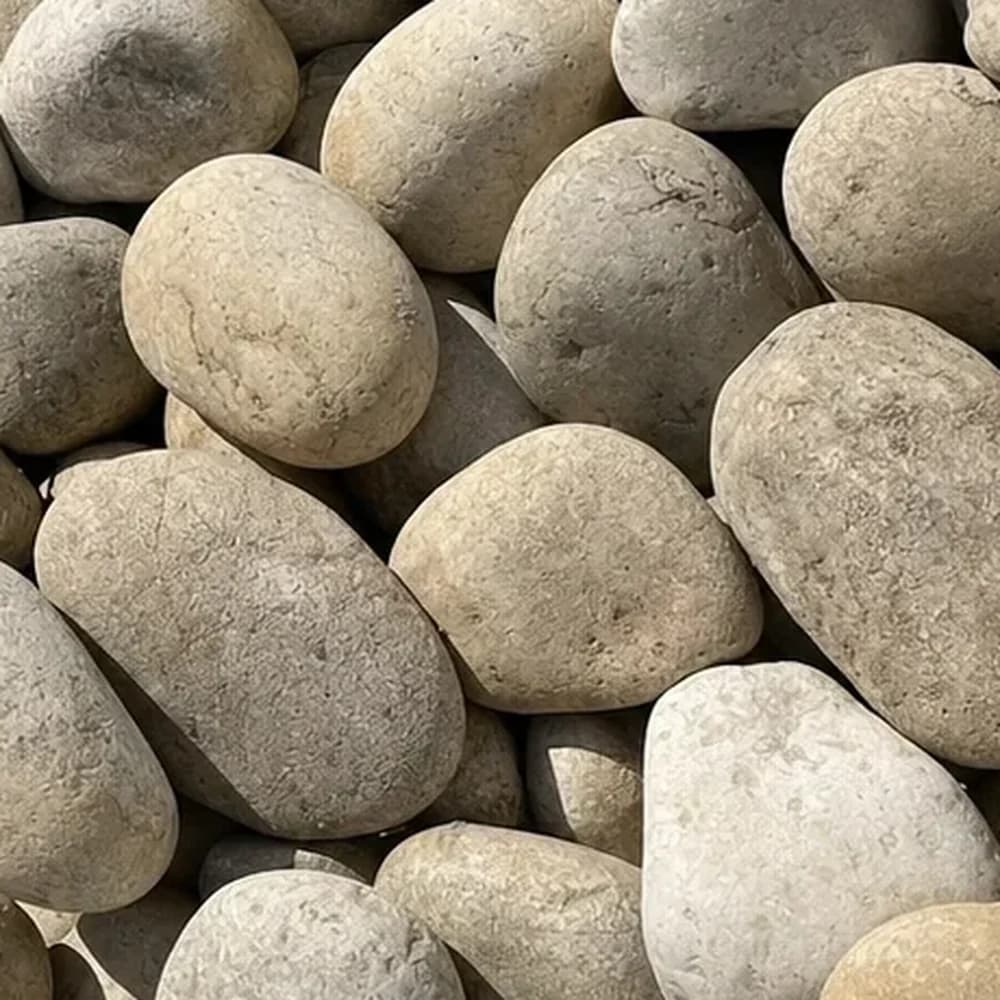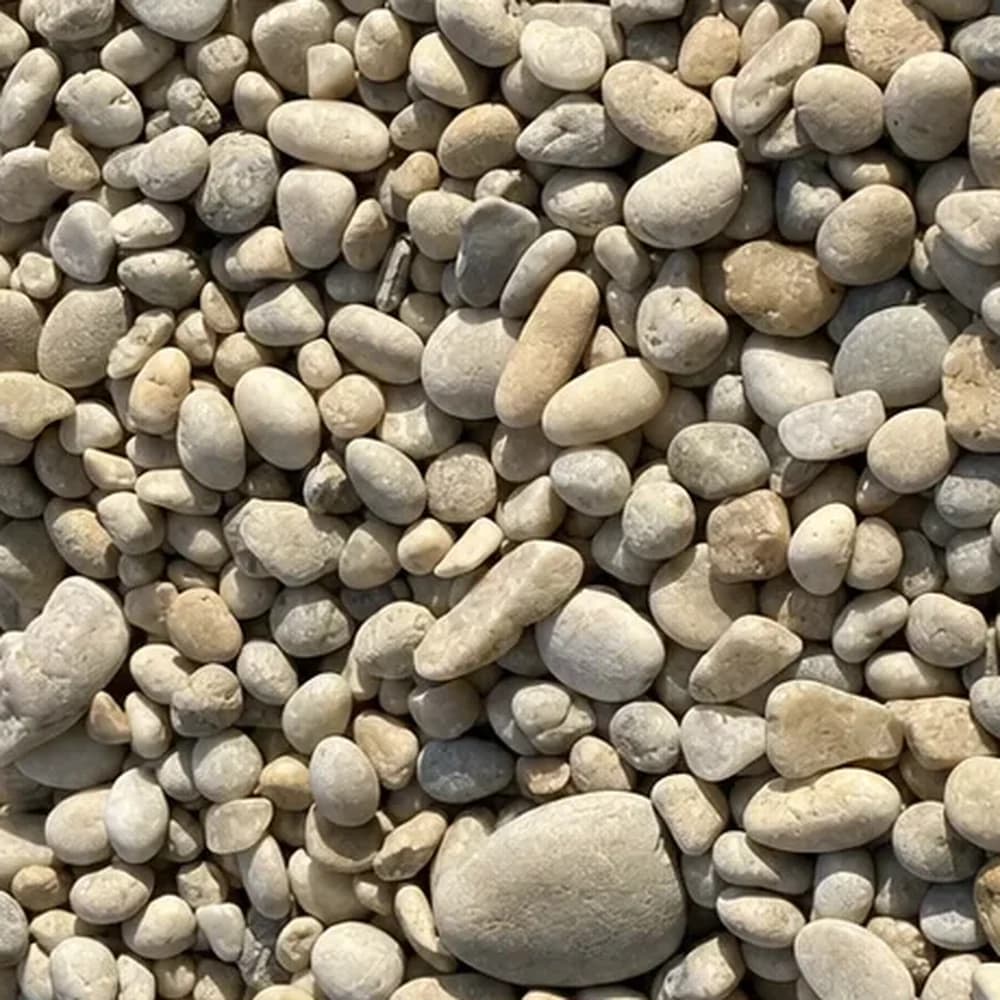
Driveway Gravel
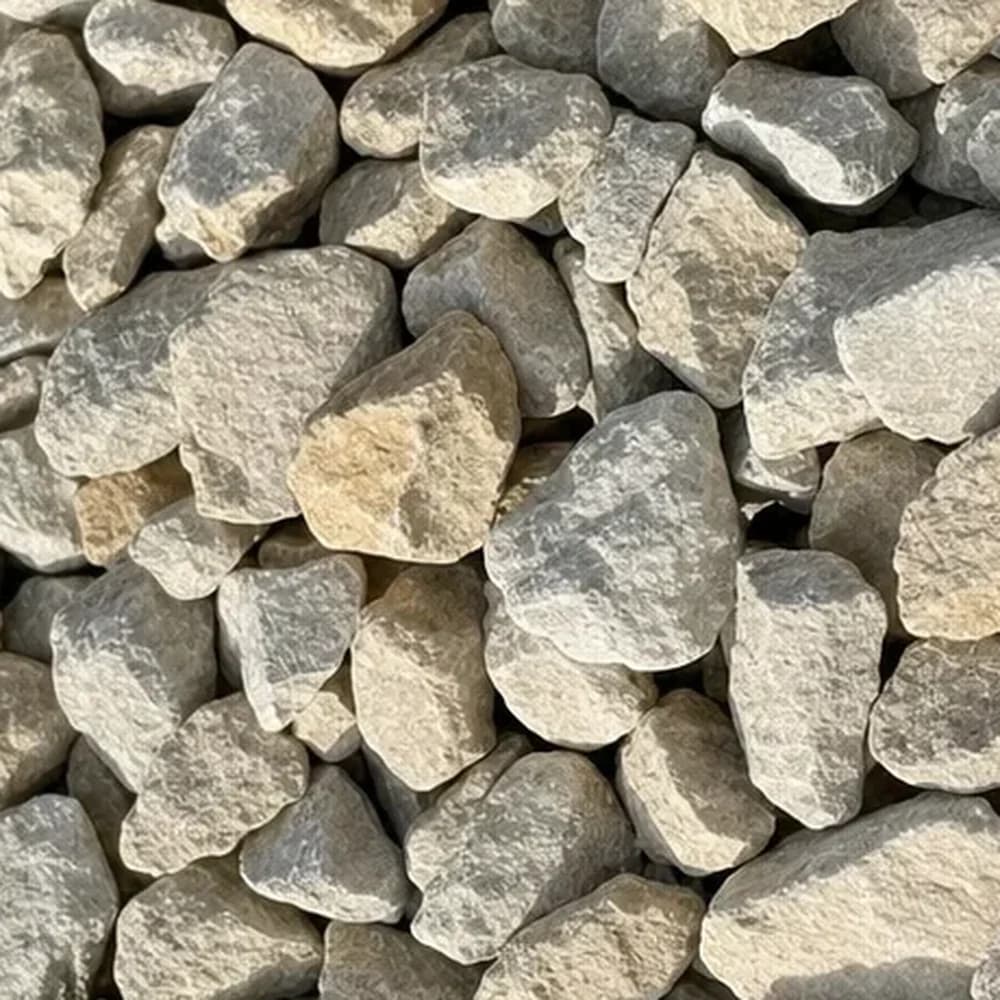
3/4" stone for building or resurfacing a gravel driveway
From 1 Ton Delivered, FREE to your Doorstep
Cost per ton lowers the more you order!
Free delivery to Junction City
Portage County, Wisconsin · Free Delivery
Free delivery to Junction City on every order, with loads arriving in as fast as 2 business days.
Delivering to Junction City, WI
Free delivery on every order.
Crushed gravel and base materials that compact under tires.
3/4" stone for building or resurfacing a gravel driveway
From 1 Ton Delivered, FREE to your Doorstep
Cost per ton lowers the more you order!
Free delivery to Junction City
3/8" stone that's comfortable underfoot for paths and walks
From 1 Ton Delivered, FREE to your Doorstep
Cost per ton lowers the more you order!
Free delivery to Junction City
Stone-and-dust blend that packs hard under drives and patios
From 1 Ton Delivered, FREE to your Doorstep
Cost per ton lowers the more you order!
Free delivery to Junction City
3/4" minus blend compacted under roads and heavy-load areas
From 1 Ton Delivered, FREE to your Doorstep
Cost per ton lowers the more you order!
Free delivery to Junction City
Recycled 3/4" base for drives, pads and access roads
From 1 Ton Delivered, FREE to your Doorstep
Cost per ton lowers the more you order!
Free delivery to Junction City
Graded crushed stone for drainage, concrete and heavy work.
Angular 3/4" stone for drainage beds and concrete slab bases
From 1 Ton Delivered, FREE to your Doorstep
Cost per ton lowers the more you order!
Free delivery to Junction City
All-purpose stone up to 1" for drainage, concrete and bases
From 1 Ton Delivered, FREE to your Doorstep
Cost per ton lowers the more you order!
Free delivery to Junction City
Small 3/8" stone for walkways, patios and driveway topping
From 1 Ton Delivered, FREE to your Doorstep
Cost per ton lowers the more you order!
Free delivery to Junction City
1/4" to 3/4" stone for concrete mix, drain lines and beds
From 1 Ton Delivered, FREE to your Doorstep
Cost per ton lowers the more you order!
Free delivery to Junction City
1/4" minus stone dust for paver bedding and leveling
From 1 Ton Delivered, FREE to your Doorstep
Cost per ton lowers the more you order!
Free delivery to Junction City
Clean 3/4" to 1" rock for French drains and septic fields
From 1 Ton Delivered, FREE to your Doorstep
Cost per ton lowers the more you order!
Free delivery to Junction City
3/8" minus chip for paver joints, chip seal and tight bases
From 1 Ton Delivered, FREE to your Doorstep
Cost per ton lowers the more you order!
Free delivery to Junction City
3/32" to 3/8" clean stone for drainage and concrete mixes
From 1 Ton Delivered, FREE to your Doorstep
Cost per ton lowers the more you order!
Free delivery to Junction City
3/4" to 1-1/2" stone for erosion control and heavy base
From 1 Ton Delivered, FREE to your Doorstep
Cost per ton lowers the more you order!
Free delivery to Junction City
1" to 2-1/2" angular stone for track beds and equipment pads
From 1 Ton Delivered, FREE to your Doorstep
Cost per ton lowers the more you order!
Free delivery to Junction City
4" to 12"+ rock for shorelines, slopes and culvert outlets
From 1 Ton Delivered, FREE to your Doorstep
Cost per ton lowers the more you order!
Free delivery to Junction City
Clean 1/8" to 1/2" chip for paver bedding and walkway bases
From 1 Ton Delivered, FREE to your Doorstep
Cost per ton lowers the more you order!
Free delivery to Junction City
1-1/2" to 2-1/2" washed stone for construction entrances
From 1 Ton Delivered, FREE to your Doorstep
Cost per ton lowers the more you order!
Free delivery to Junction City
Rounded stone for beds, borders and water features.
Rounded 1" to 3" stones for beds, borders and drainage
From 1 Ton Delivered, FREE to your Doorstep
Cost per ton lowers the more you order!
Free delivery to Junction City
Large 2" to 4" stones for water features and dry creek beds
From 1 Ton Delivered, FREE to your Doorstep
Cost per ton lowers the more you order!
Free delivery to Junction City
Smooth 3/8" pebbles for paths, patios and play areas
From 1 Ton Delivered, FREE to your Doorstep
Cost per ton lowers the more you order!
Free delivery to Junction City
Washed sand for masonry, concrete and leveling.
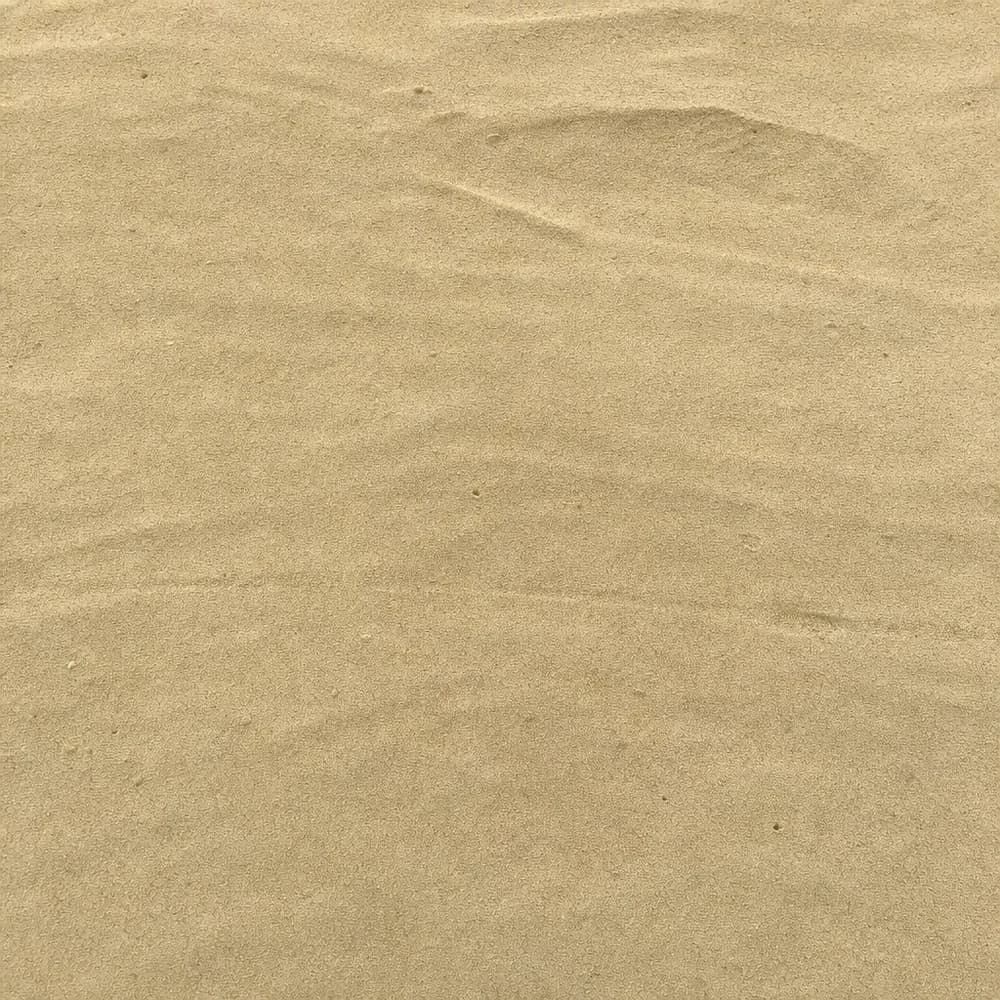
Fine sand for mortar, sandboxes and volleyball courts
From 1 Ton Delivered, FREE to your Doorstep
Cost per ton lowers the more you order!
Free delivery to Junction City
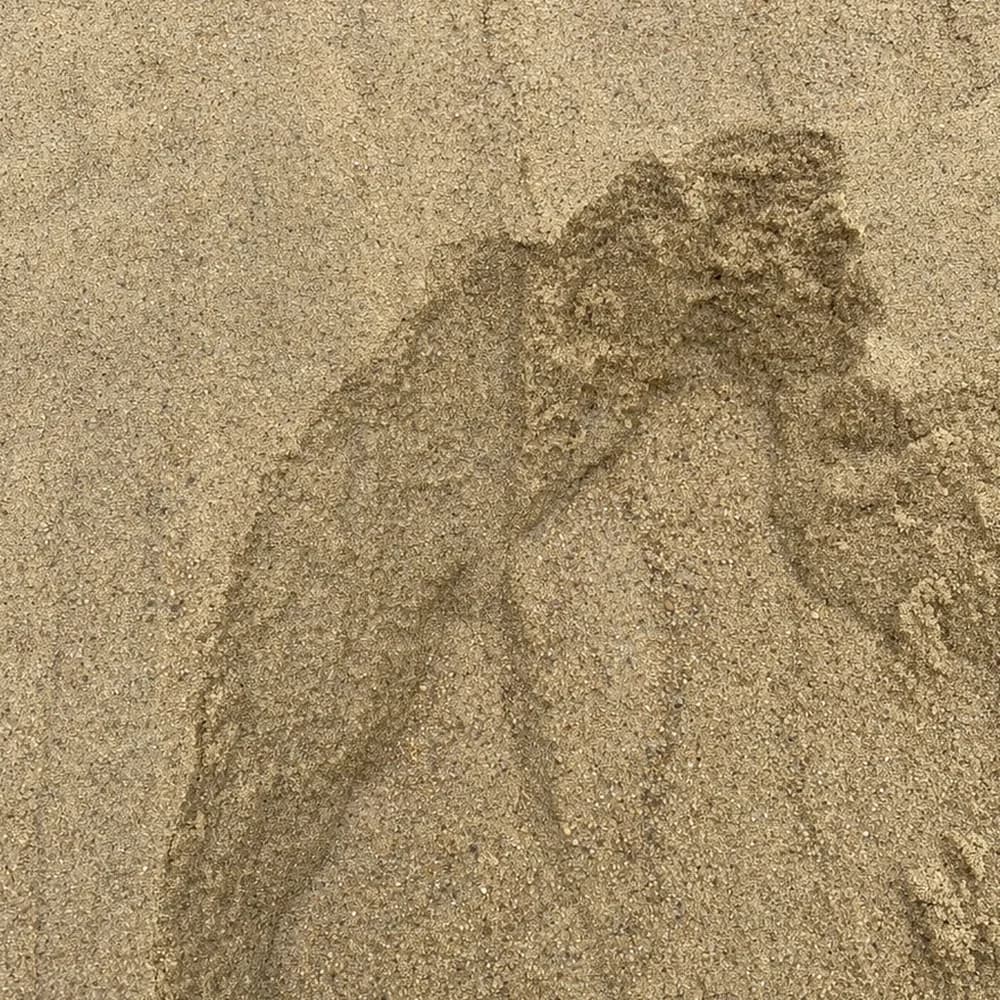
Coarse, clean sand for concrete, backfill and leveling
From 1 Ton Delivered, FREE to your Doorstep
Cost per ton lowers the more you order!
Free delivery to Junction City
Soil and fill by the ton, mulch by the cubic yard.
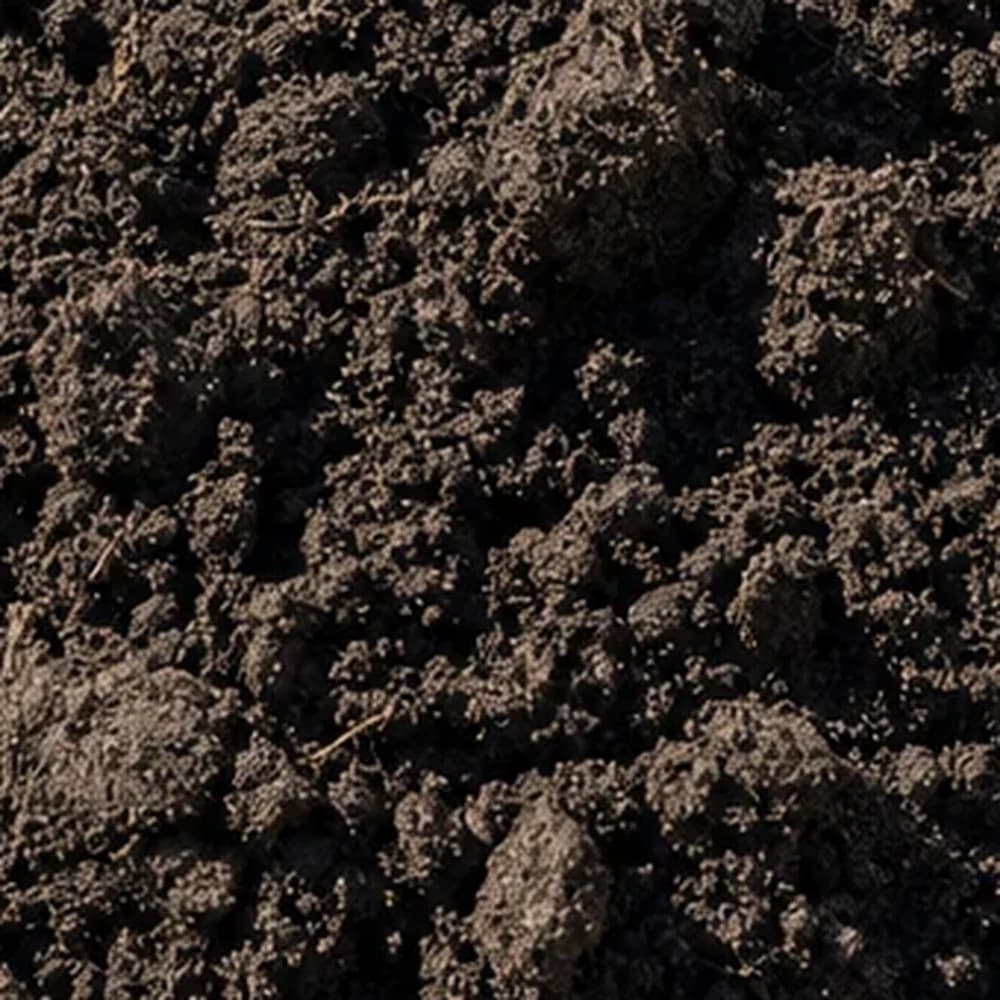
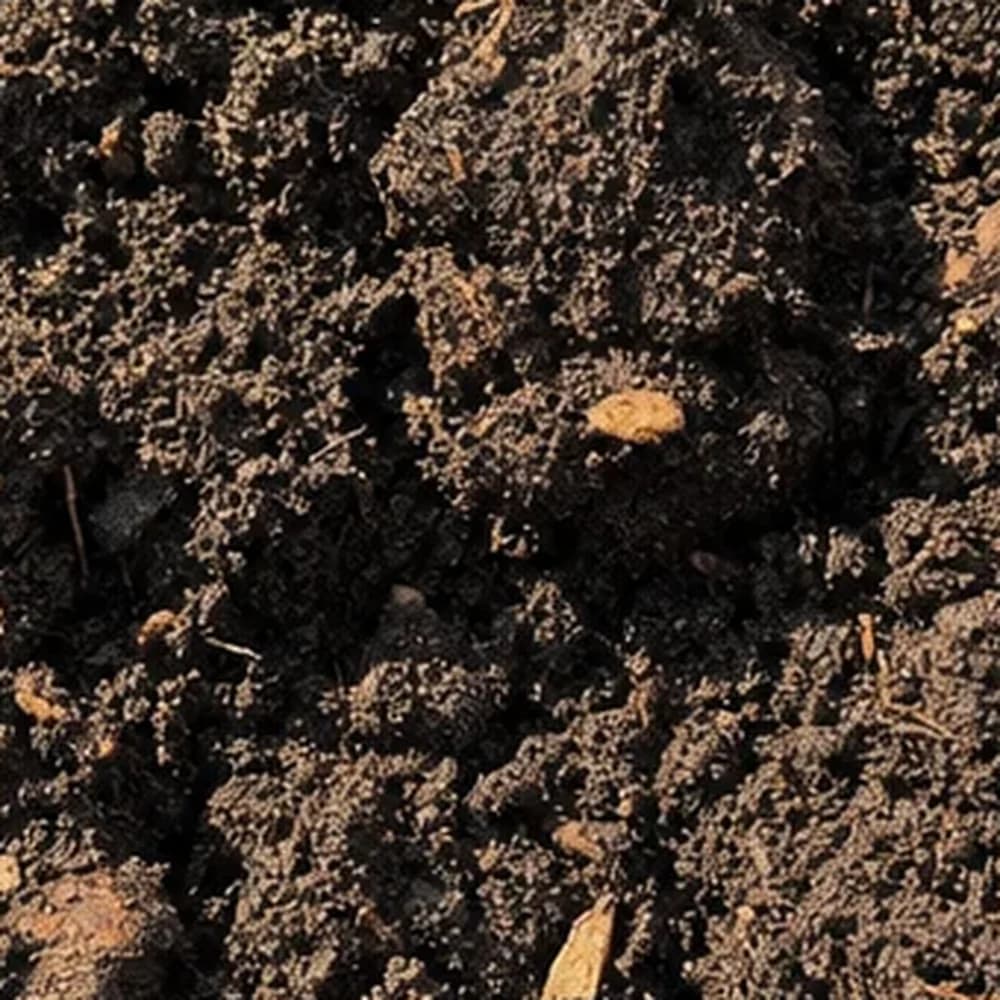
Screened topsoil for lawns, gardens and flower beds
From 1 Ton Delivered, FREE to your Doorstep
Cost per ton lowers the more you order!
Free delivery to Junction City
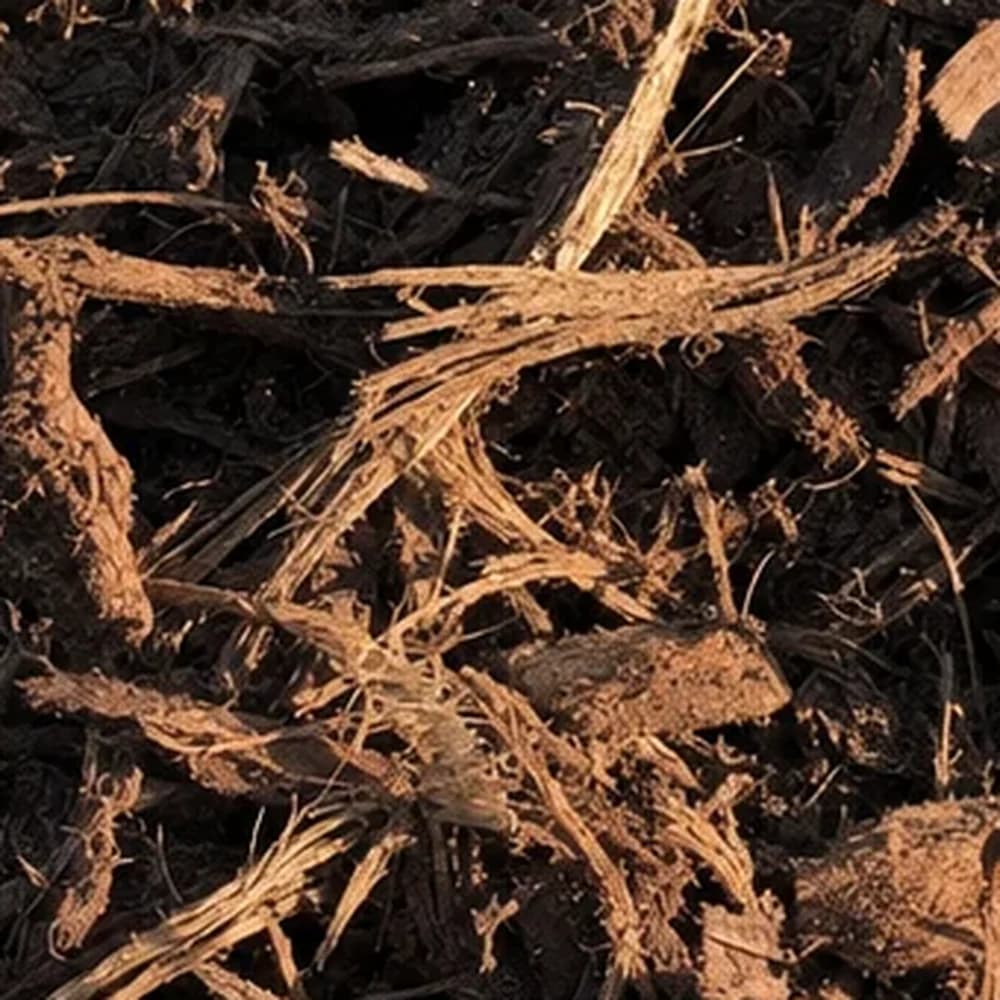
Hardwood mulch that holds moisture and keeps weeds down
From 1 Yard Delivered, FREE to your Doorstep
Cost per ton lowers the more you order!
Free delivery to Junction City
Compost-enriched soil for vegetable gardens and raised beds
From 1 Ton Delivered, FREE to your Doorstep
Cost per ton lowers the more you order!
Free delivery to Junction City
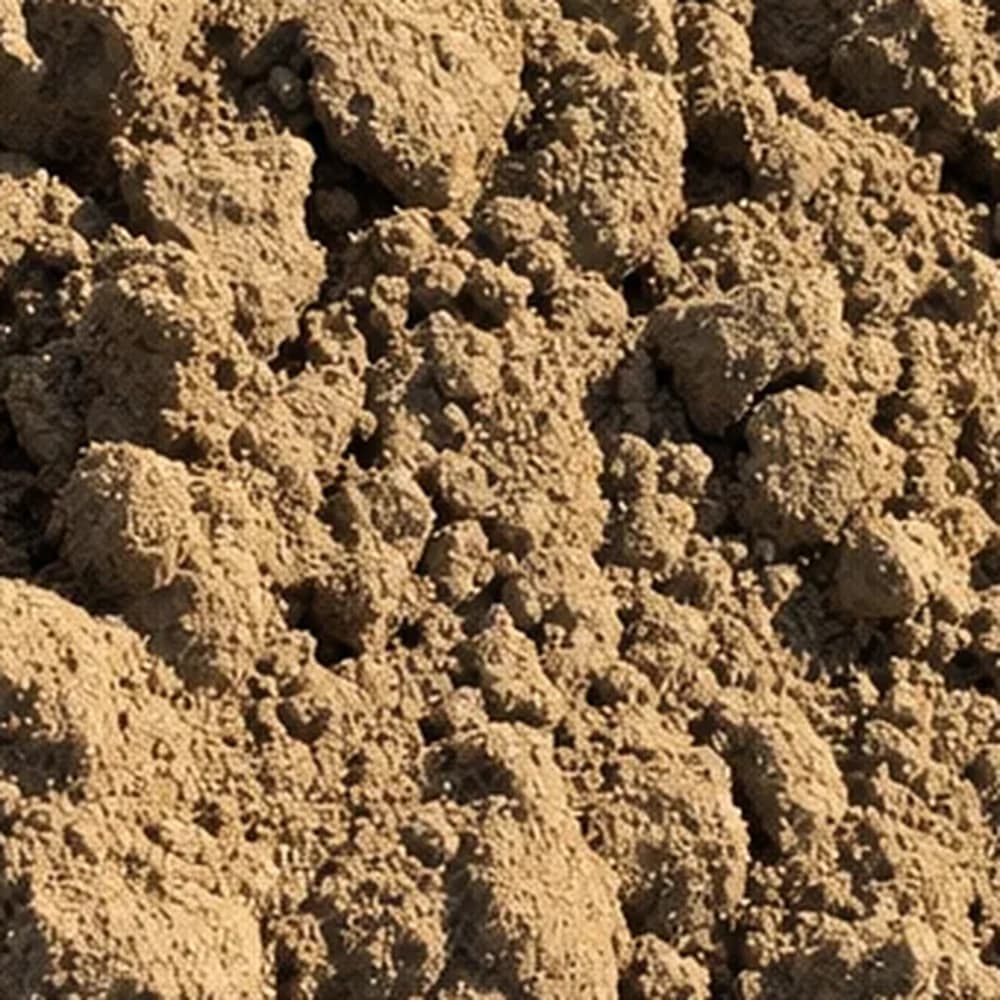
Compactable dirt for grading, backfill and low spots
From 1 Ton Delivered, FREE to your Doorstep
Cost per ton lowers the more you order!
Free delivery to Junction City
Pick the material and quantity.Open a product to see your price, with free delivery to Junction City.
Choose a delivery date at checkout.As fast as 2 business days for most Junction City addresses.
Clear a drop spot.The truck tips the load where you mark it. Note low wires or branches when you order.
Not sure how much you need?
Enter length, width and depth and the calculator returns the cubic yards and tons for your project.
Open the calculatorIf you are planning gravel and aggregate delivery in Junction City, WI, start with the material the job actually needs. Wisconsin Rock Supply sells bulk gravel, stone, sand and topsoil by the ton. For a driveway, shed pad or patio base, that usually means traffic bond, the crushed dense-graded base this part of Wisconsin runs on.
Junction City sits in Portage County, where deep sand and gravel left by glacial meltwater drain fast. That shapes what you order and how deep you build it.
Patios and flatwork in Junction City hold their shape only when the bedding layer under them is sound. Paving set on loose or dirty material rocks, puddles and heaves within a season, so the base and bedding matter as much as the pavers.
For a paver patio, start with traffic bond compacted in lifts, then bed the pavers in screenings. Traffic bond, sold as 3/4 inch traffic bond, is the same crushed dense-graded base Wisconsin specifies for driveways and pads, and it locks up hard once it is watered and rolled.
Screenings, also called stone screenings or stone dust, are the 1/4 inch material that packs flat under pavers and patio slabs. They are also the finish on a walkway or the top dressing on a drive.
Around the edges, clear stone handles the water. Here is how the common ones split out.
Breaker run, coarse crushed stone with the fines left in, goes down first as a heavy sub-base over soft or clay ground. Cap it with traffic bond for the driving surface.
Most patio failures here trace back to a base that was too thin or never compacted. On Central Sands ground, that shows up fast as settled corners, rocking slabs and water pooling against the house.
The ground is deep sand and gravel on outwash plains and the old Glacial Lake Wisconsin bed, with peat and muck in the wetlands and marshes. Sandy uplands soak up rain and snowmelt quickly. Low, flat parts of the old lake bed stay wet, and ditches and marshes collect the water.
That split decides your build. On sand, excavate to stable material, compact in lifts, and keep a solid layer of traffic bond under pavers. Where the ground is peat or muck, dig it out first and bring in fill dirt or breaker run before any base goes down.
Spring changes the schedule. Sandy ground can usually be worked soon after frost leaves, but low, wet sites stay soft longer. Class II highways and posted county, town and village roads carry spring weight limits while frost comes out, usually early March into late April or early May, so plan heavy loads around that window.
Surface runoff is low on flat, fast-draining sand, so erosion shows up mainly where loose sand is left bare on slopes, cut banks and flowage shores. Riprap and river rock armor those spots.
Order online, and decide first whether you want to work in tons or cubic yards. Tons are what the scale reads; yards are what your patio or drive measures. A compacted yard of base weighs more than a loose one, so measure the project and set the lift depth before you use the calculator.
For a patio, length times width times depth in feet, divided by 27, gets you close. Add for compaction, because traffic bond and screenings both tighten up under a plate compactor.
Bulk delivery drops on your site in Junction City, Portage County, and out to Stevens Point, Plover, Amherst, Bancroft and Rosholt. Have the pad cleared and the truck path firm before the load arrives.
Traffic bond is the base most drives here are built on. It is a crushed dense-graded base that compacts hard and sheds water. Lay it in compacted lifts over firm ground, then top it with driveway gravel if you want a finer driving surface.
Measure the area and the depth, then convert: length times width times depth in feet, divided by 27, gives cubic yards. A patio base needs more yards than most people expect, so run the footprint through the calculator.
Use the calculator to turn your patio or driveway dimensions into tons or yards, then place the order online. If the ground is soft or the lift is deep, call it out in your notes so the load is sized for the base the job really needs. Wisconsin Rock Supply delivers bulk material across Portage County, and we are ready to get your project moving.
Common questions about gravel and aggregate delivery in Junction City, WI
Traffic bond is the base most drives here are built on. It is a crushed dense-graded base that compacts hard and sheds water. Lay it in compacted lifts over firm ground, then top it with driveway gravel if you want a finer driving surface.
Measure the area and the depth, then convert: length times width times depth in feet, divided by 27, gives cubic yards. A patio base needs more yards than most people expect, so run the footprint through the calculator.
You can order by the ton or by the cubic yard, whichever suits how you plan the job. If you tell us the area you are covering and the depth you want, we will work the quantity out with you rather than leaving you to guess.